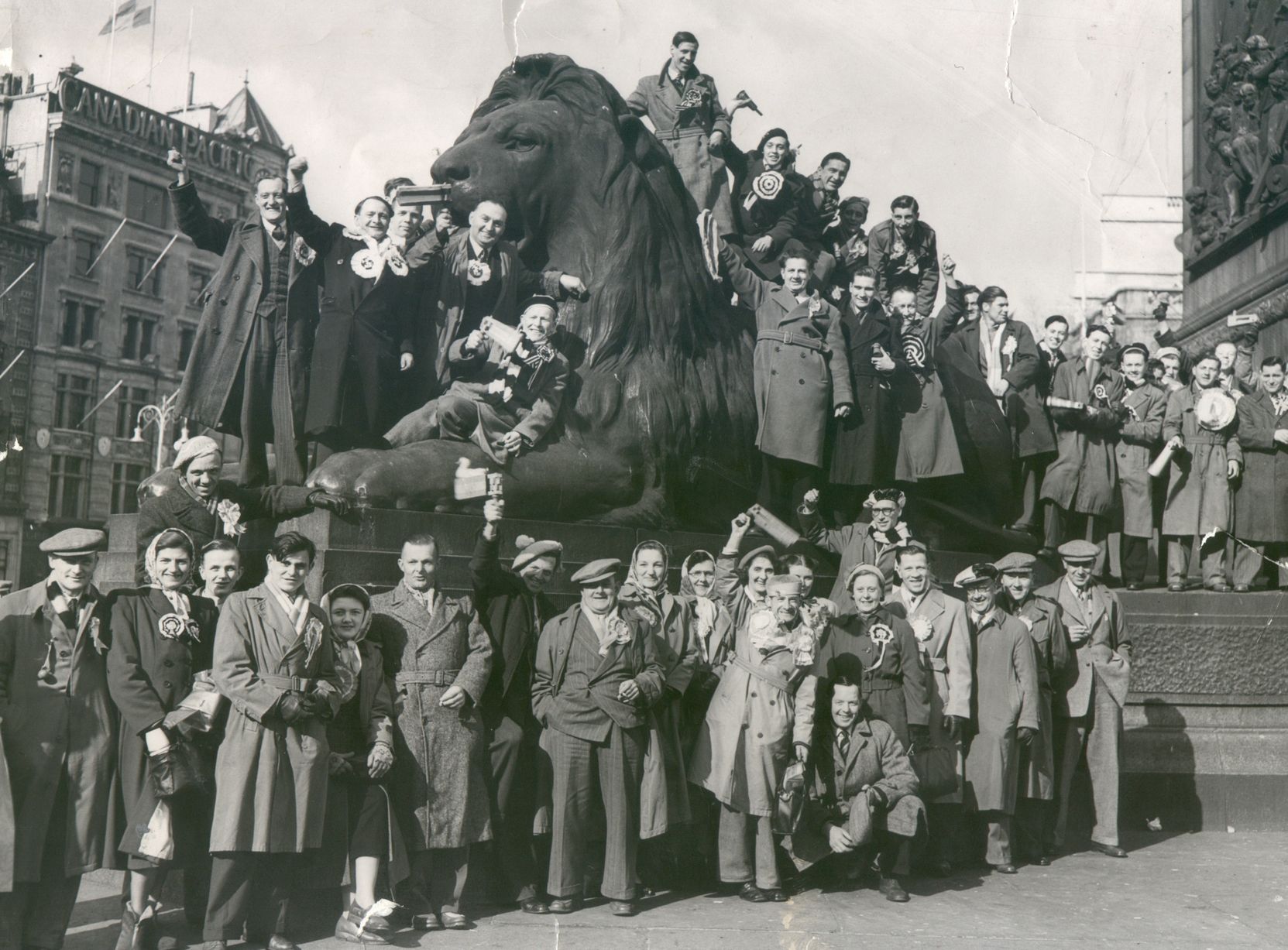
Manchester United 2 PAOK 0
UEFA Europa League
Thursday 7 November 2024

red record
The context
John and I were still closing in on our elusive ninety-two League grounds. We had each visited Old Trafford many times, but never together. A group stage fixture for Ruud van Nistelrooy’s misfiring United side gave us the chance to put things right.
The history
cotton tale
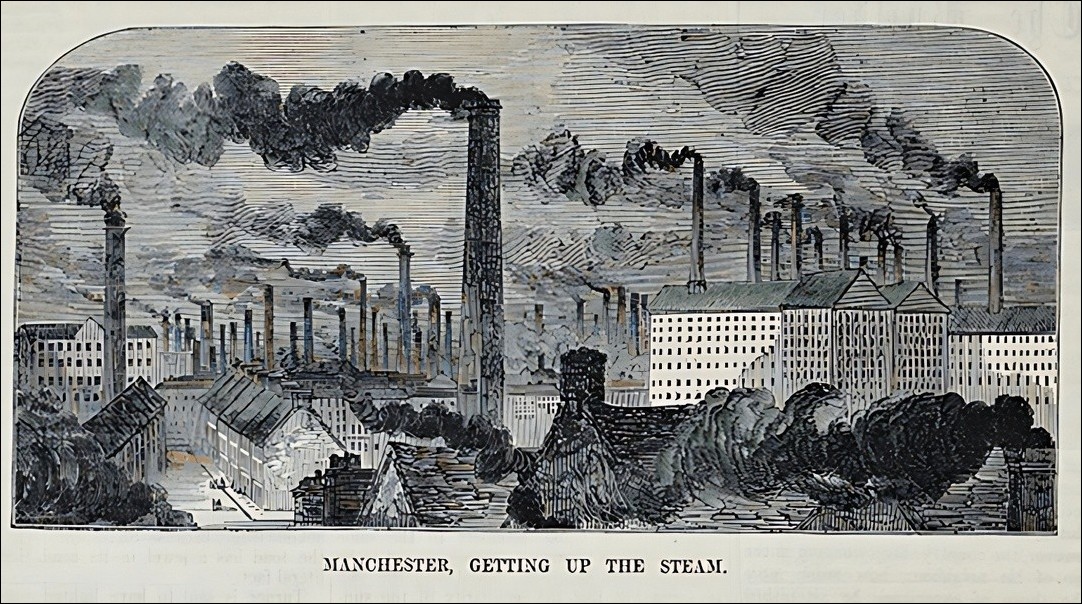
George Stephenson opened his Liverpool to Manchester railway in 1830. This venture – together with the equally new-fangled Bridgewater Canal – made many entrepreneurs wealthy, but also imposed enormous deprivation on an already turbulent working-class population. Karl Marx and Friedrich Engels were among those who recognised nascent revolutionary stirrings as “Cottonopolis” spawned more than two thousand mills.
Piccadilly palaver
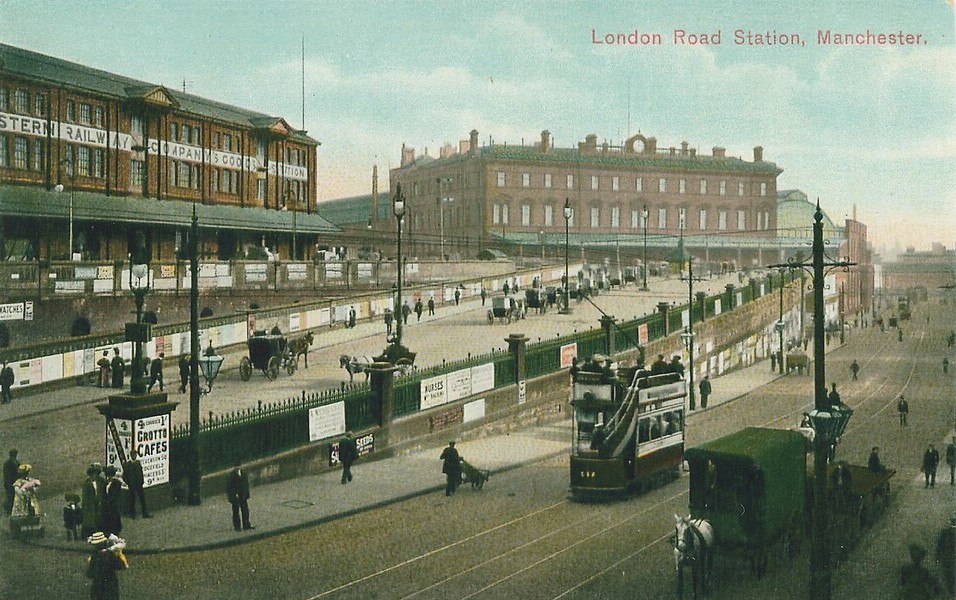
The city’s rail network quickly outgrew Stephenson’s terminus behind Deansgate. A replacement at Store Street – soon renamed London Road, and now called Piccadilly – connected Manchester with Euston. It was held up by two enormous viaducts and grew in size during the century’s second half, when lack of available space led to a relief terminus, known as Mayfield, being provided nearby.
Central perk
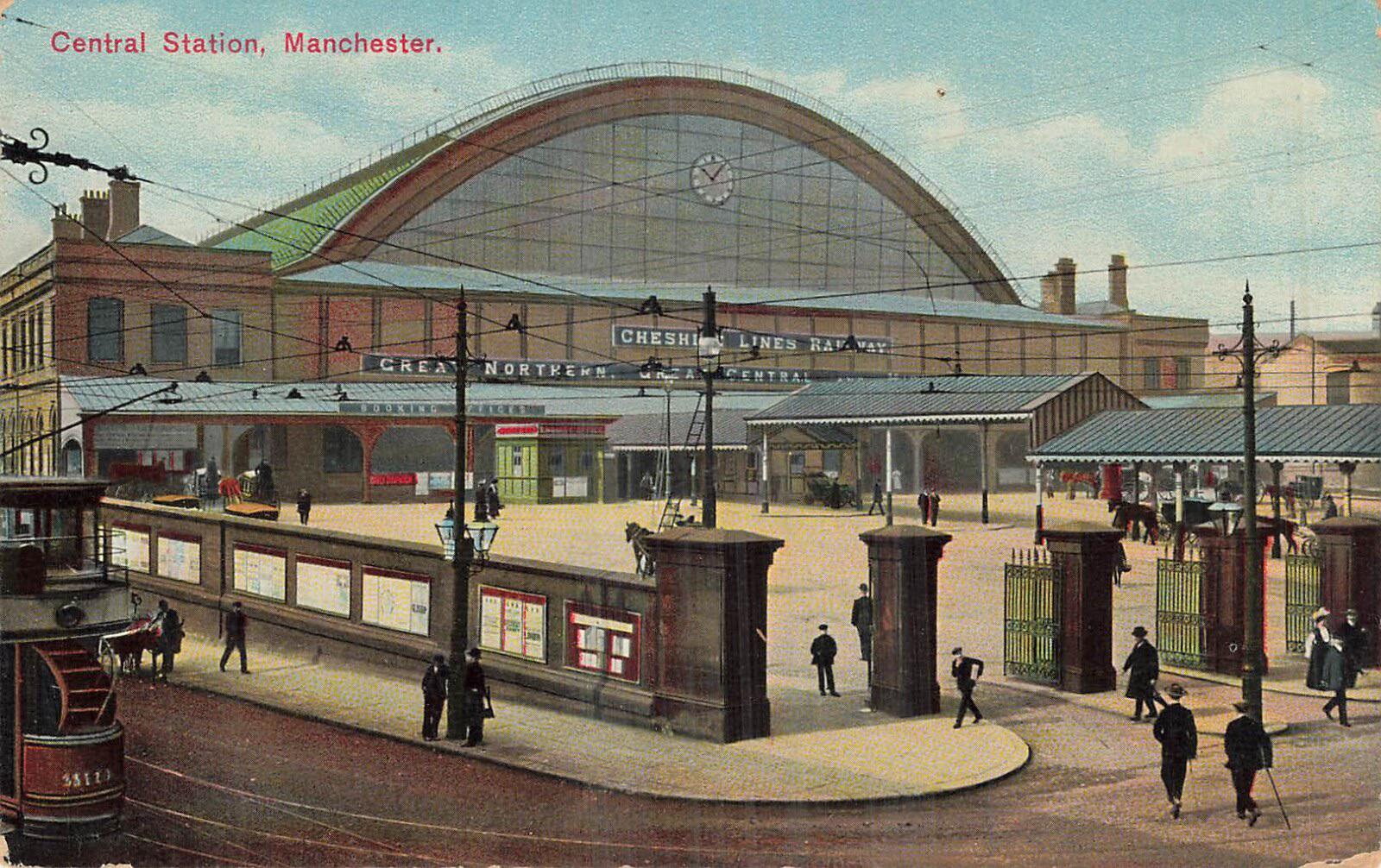
Different companies built their own stations. Victoria was designed by Stephenson for through trains between Liverpool, Yorkshire and Glasgow, while Exchange – mostly across the Irwell in Salford, but still sufficiently close for both to share a half-mile long platform – added much-needed extra capacity. Central’s elegant arch, meanwhile, offered even more London services via Derby to St Pancras.
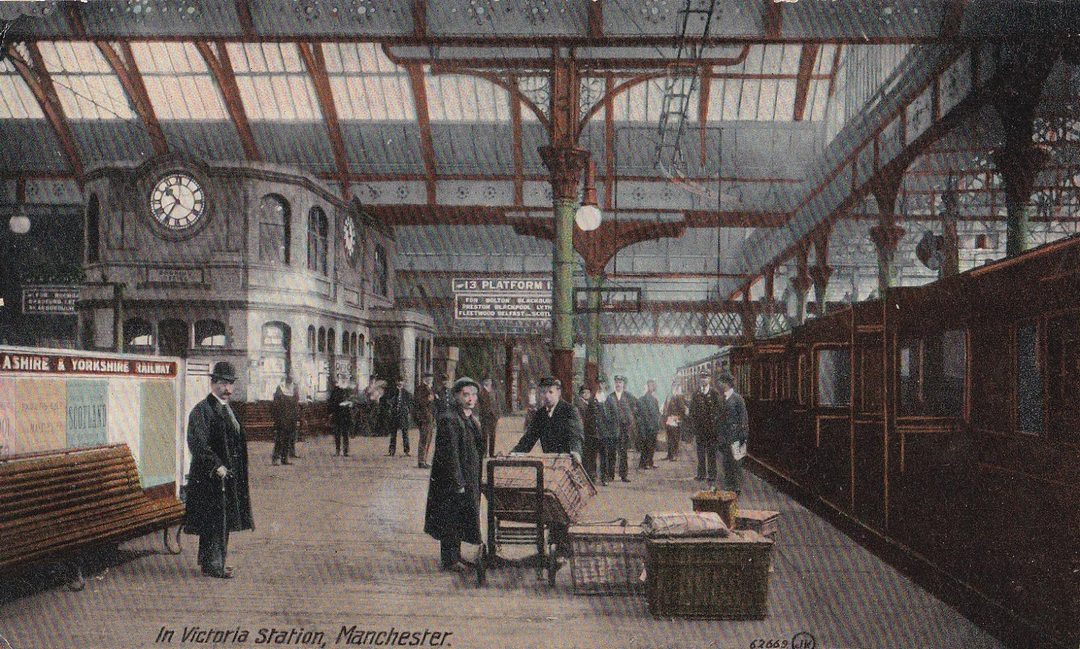
Victoria principal
Engine sheds spread across Manchester’s suburbs and could eventually accommodate five hundred locomotives. Stephenson’s company had a depot at Longsight, beside their main line out of Store Street, while the rival Lancashire and Yorkshire Railway were based in Newton Heath. This sprawling site – convenient for Victoria – also housed substantial carriage works.

canalise (Benjamin William Leader)
Successful trade needed cost-effective movement of goods. When disagreements arose with Liverpool dock and railway authorities, whose own profit margin derived from duty paid on cargo, Manchester’s solution was to canalise the Mersey and build an entirely new harbour. This apparently fantastic scheme would turn a city forty miles from the sea into Britain’s third largest port.
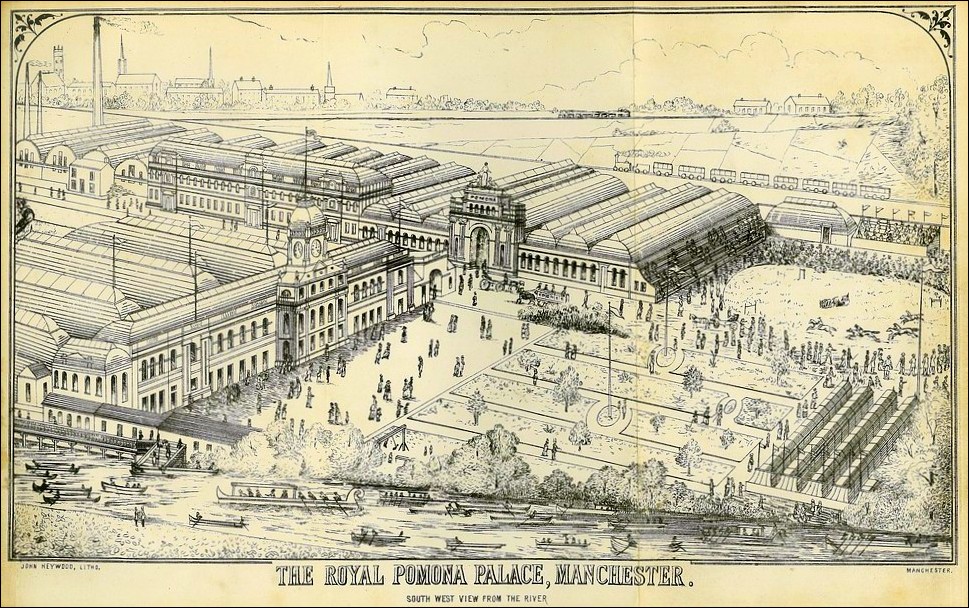
attractions
The canal’s eastern end was dug out of redundant parkland. Pomona Palace had once drawn 100,000 visitors per year; it gave Manchester citizens convenient access to fresh air, and – along with extensive pleasure gardens – incorporated Britain’s largest concert hall. But the complex lost custom because of Belle Vue Zoo’s growing popularity, and was finally put out of business when a nearby chemical factory exploded.
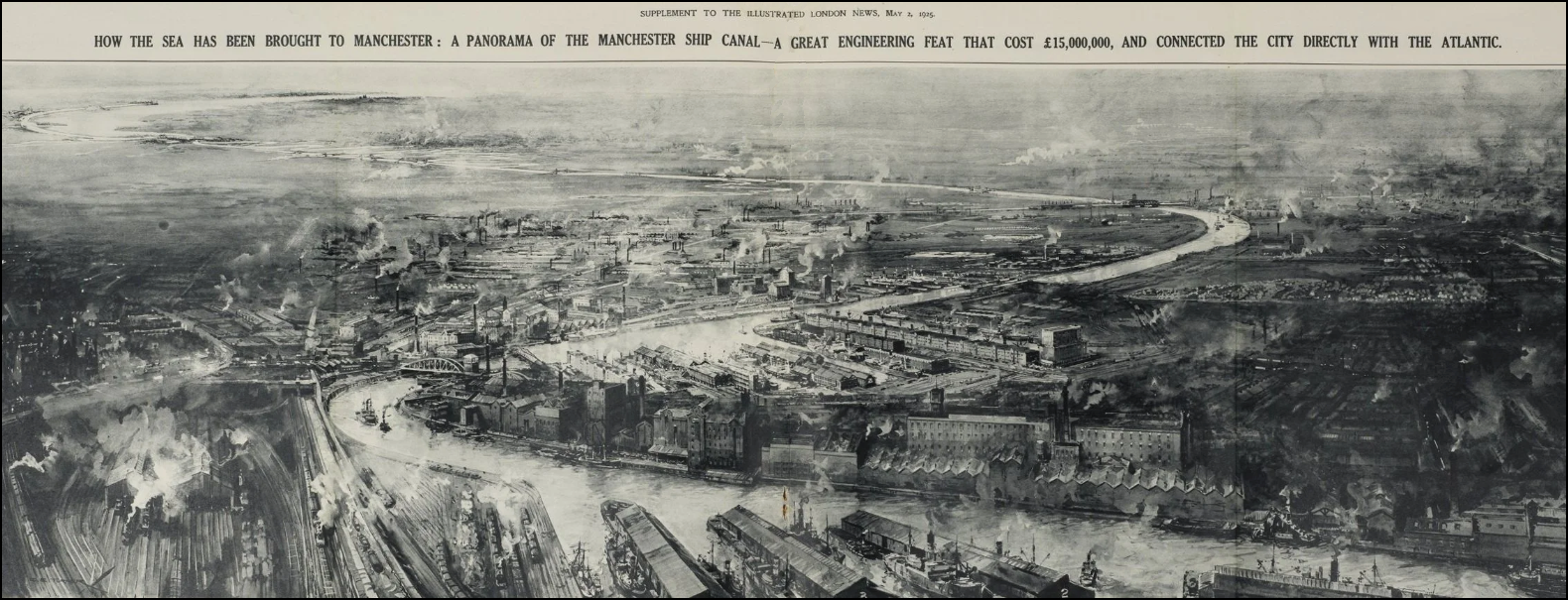
basins
Eight large dock basins could accommodate up to ten ocean-going vessels each. Trafford Road swing bridge separated these into equal Salford and Manchester sections, but – despite the new Ship Canal’s name – only Pomona Dock No.1 was actually in Manchester. Five thousand dockers and labourers eventually worked there, handling eighteen million tons of cargo annually.
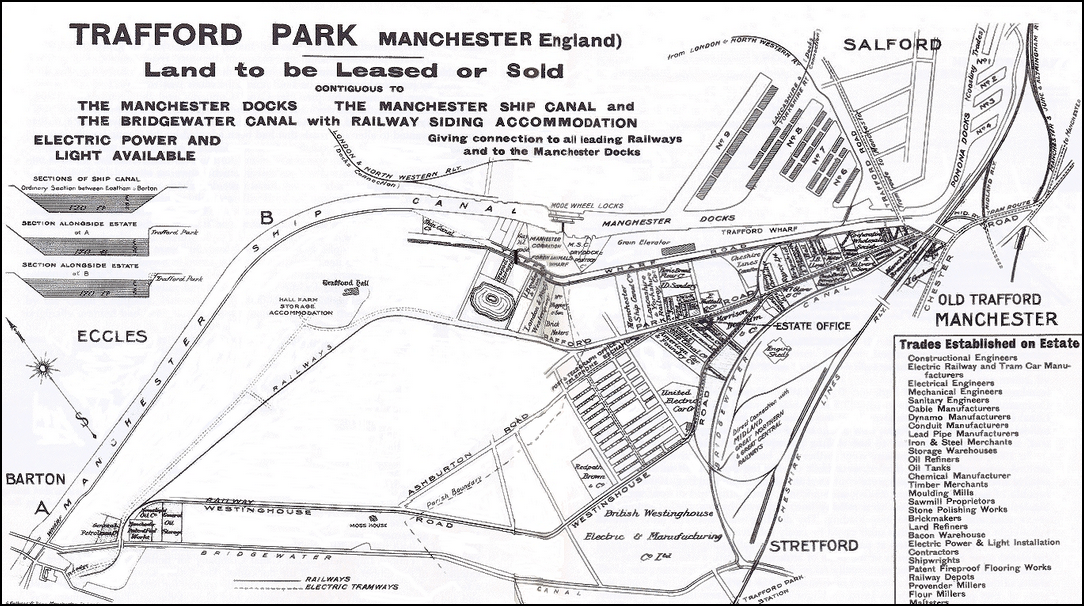
industrial
The new canal came as bad news for local squire Sir Humphrey de Trafford. He suddenly found his stately home surrounded by ships, with arriviste industrialists its only prospective purchasers. Historic Trafford Hall was turned into a hotel; five square miles of Elizabethan deer park became the world’s first – and for many years largest – industrial estate.
park life
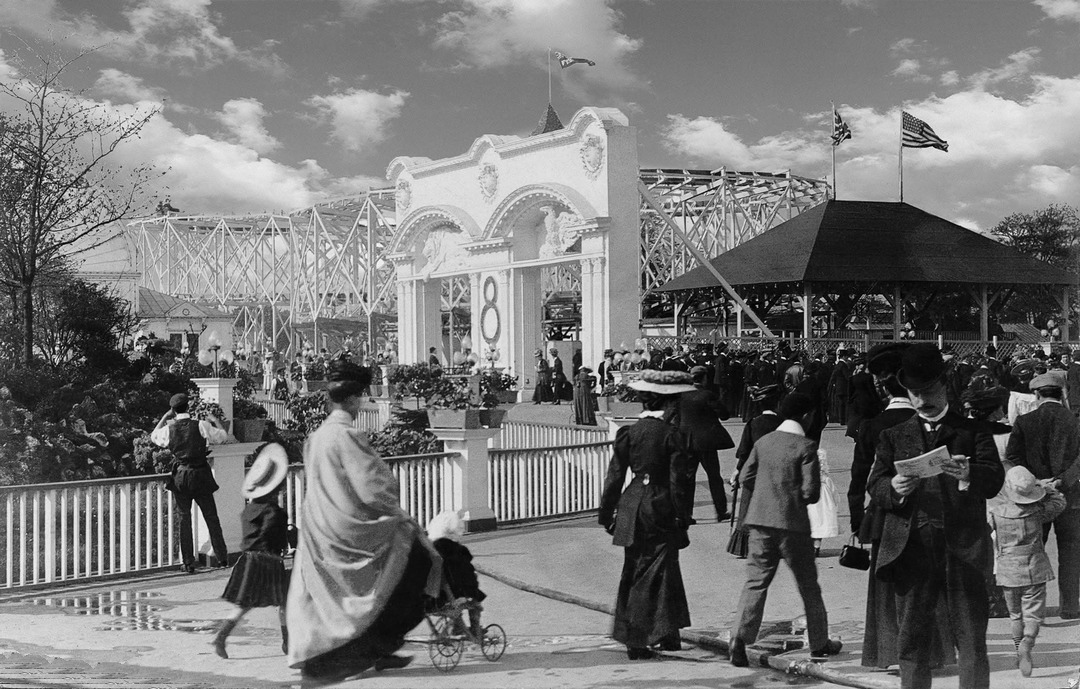
Scientist John Dalton’s botanical garden fared just as badly. Factory and dock workers needed entertainment, so Anglo-American entrepreneur John Calvin Brown built his White City Amusement Park over the fifteen acre site. Local people could enjoy its ballroom, skating rink, water chute and “figure of eight’ rollercoaster, lit at night by rows of brilliant lanterns.
punters
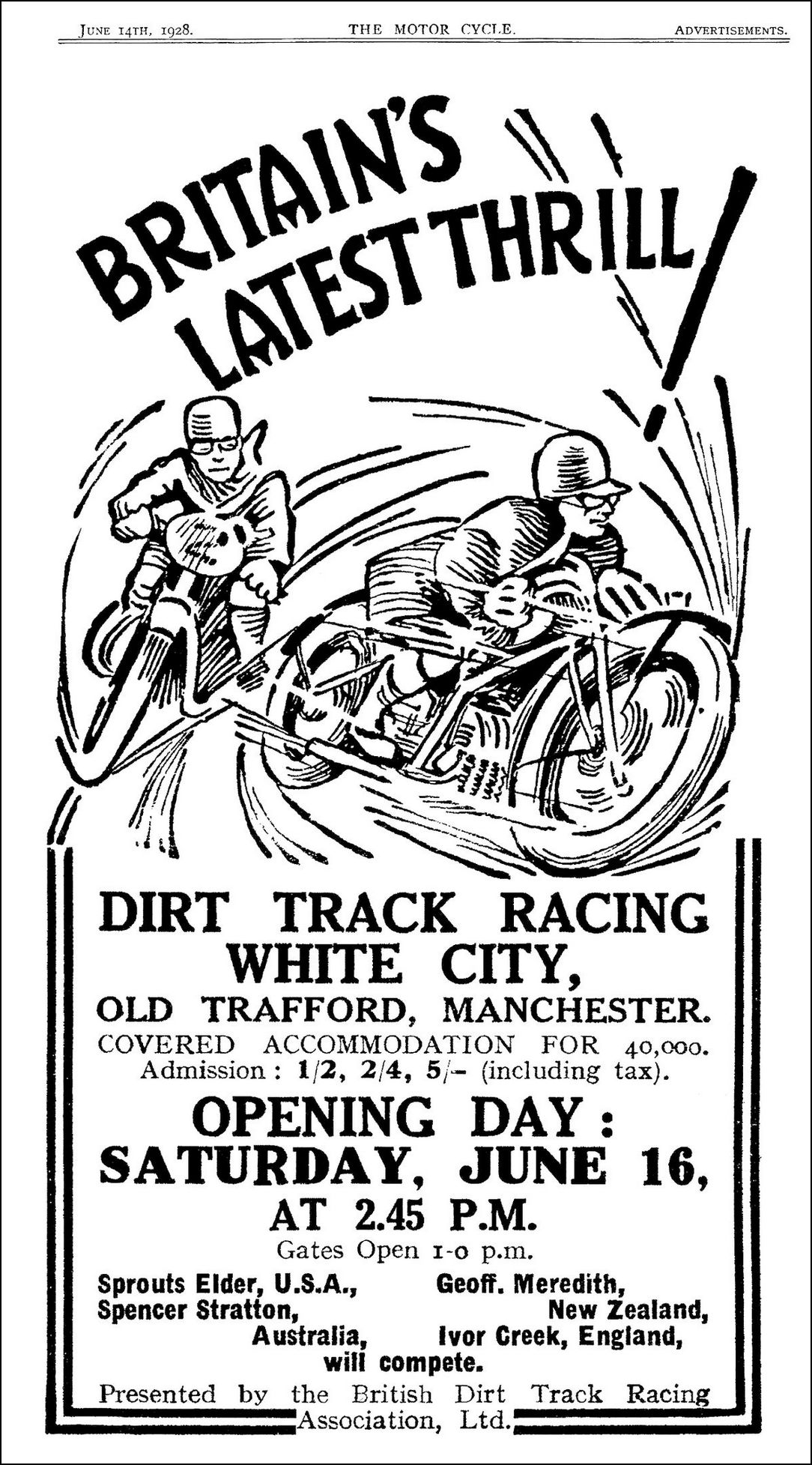
White City’s greyhound stadium was opened when the sport became popular after World War One. The track – which took less than twelve months to complete, and could hold fifty thousand people – soon became more popular than Belle Vue’s rival circuit, attracting more than a million punters every year. Athletics and speedway events also took place there.
pavilion
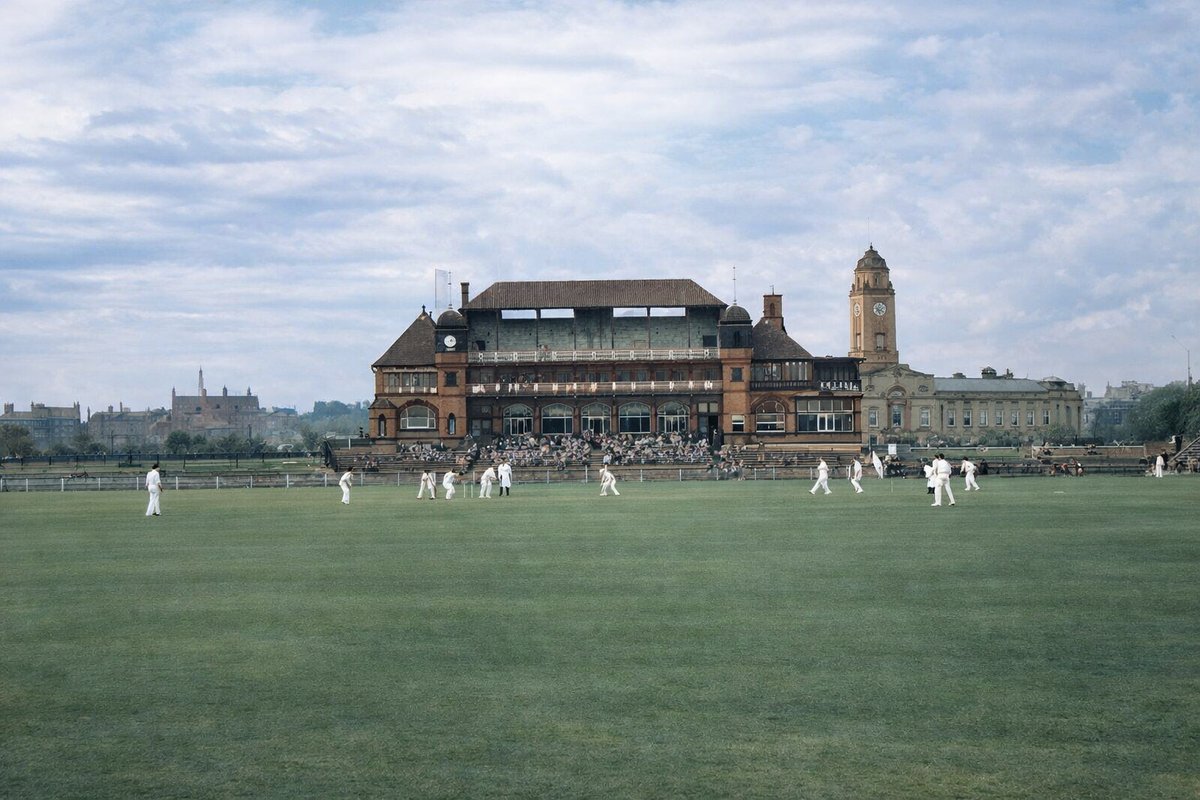
Cricket had been played locally since 1865. Lancashire Cricket Club’s pitch stood just behind White City, on land originally bought from the de Trafford estate. Test matches were staged regularly from 1884 onwards; the team then won four County Championships between 1879 and 1889, earning enough money to pay for a magnificent pavilion designed by Thomas Muirhead.
small
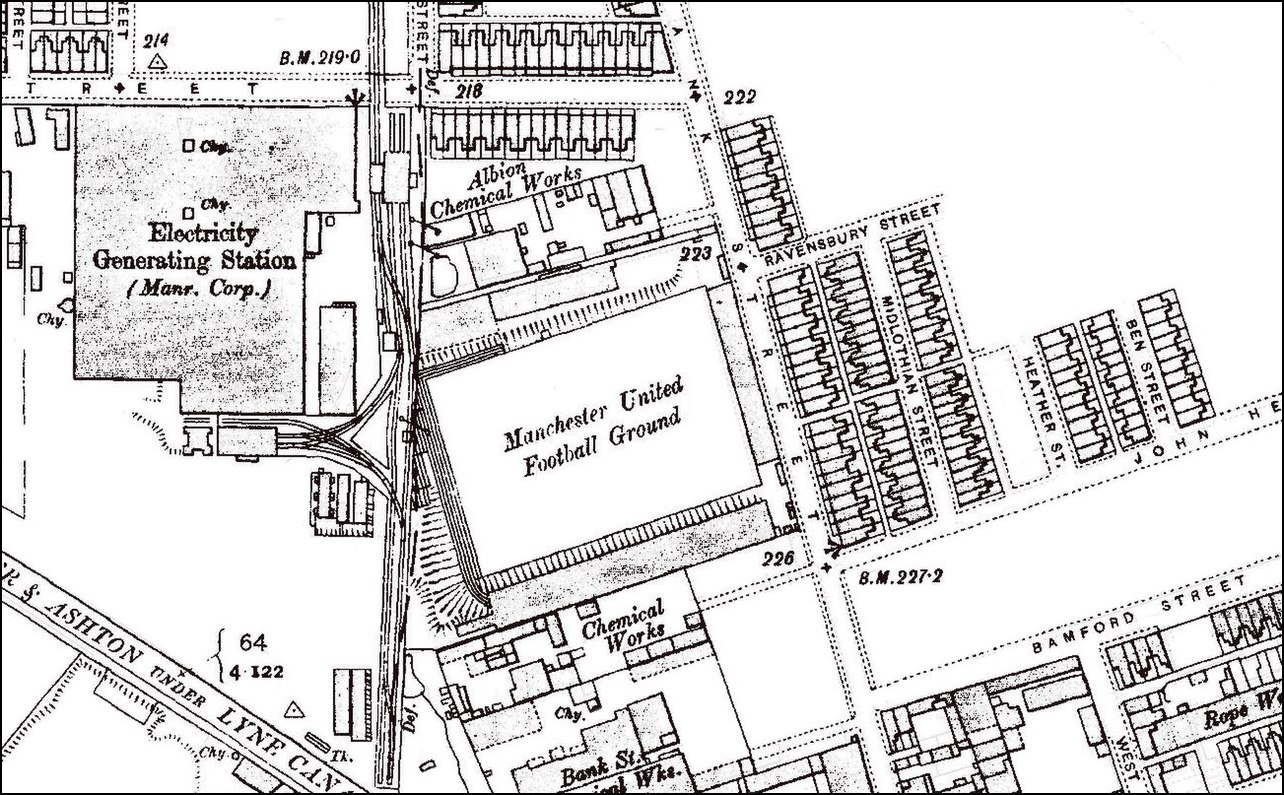
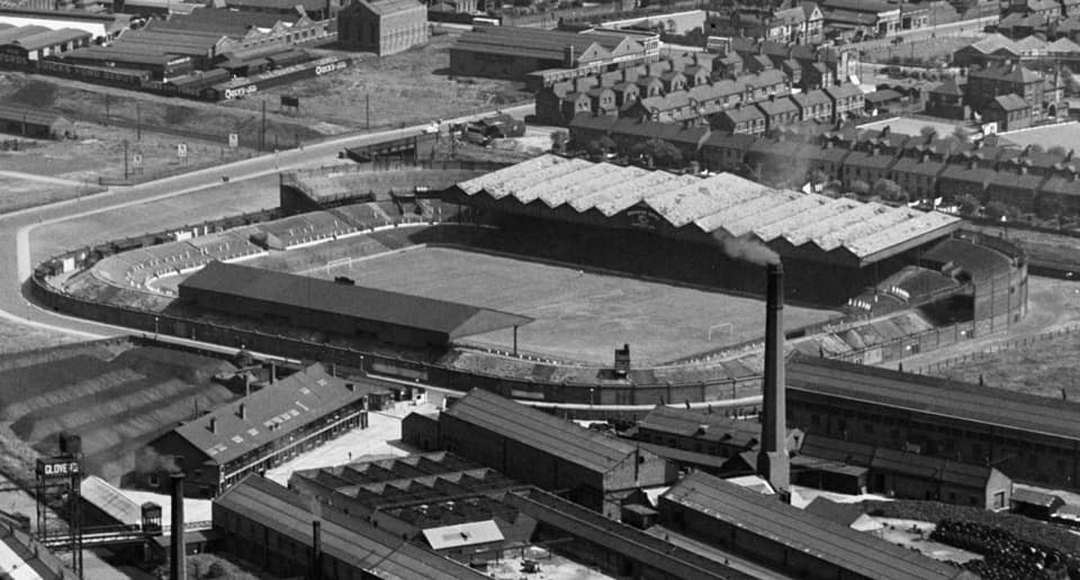
Manchester United also recognised this area’s business potential. The one-time Yorkshire and Lancashire Railway factory team had previously been known as Newton Heath. Their Bank Street home was small by Football League standards; Trafford offered them massive potential support, along with plentiful building land that Scottish architect Archibald Leitch set about converting into a fine new ground.
extensive
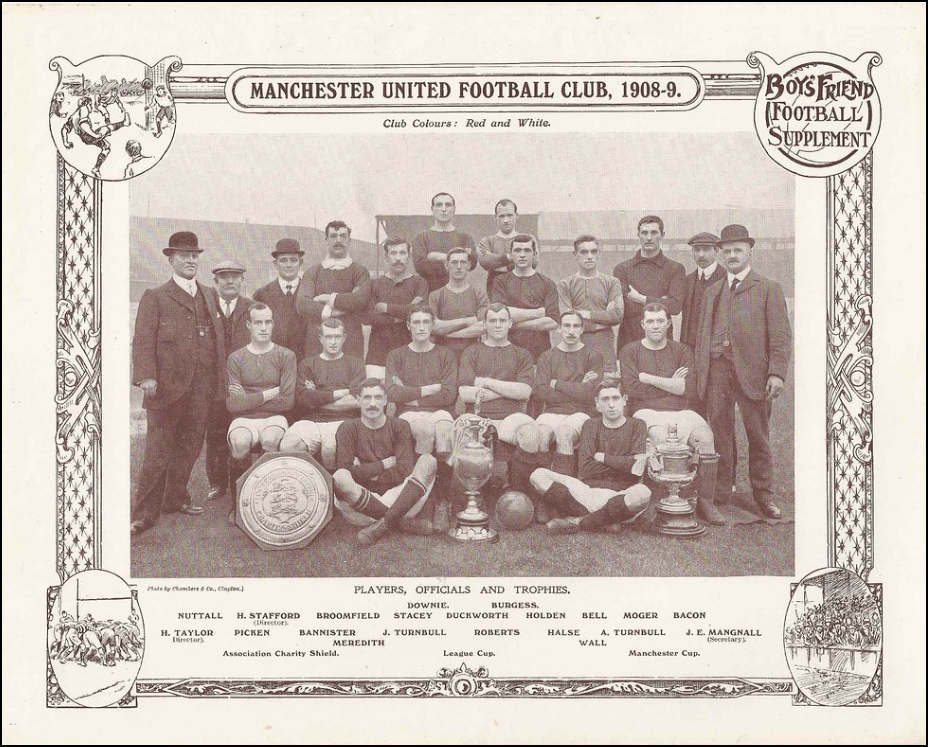
United first played at Old Trafford on 19 February 1910. They had been League champions two years previously and were current FA Cup holders. Leitch’s extensive terraces could nominally hold 80,000; that figure however remained untested, with only crowds against Aston Villa (in 1920) and a Cup semi-final between Wolves and Grimsby coming anywhere near it.
holders
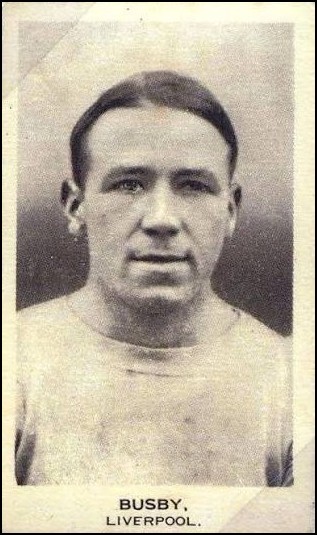
Their recent success owed much to former Burnley manager Ernest Mangnall. Another title soon followed. But fortunes declined when Mangnall joined Manchester City, and United subsequently spent three decades bouncing more or less aimlessly between the top two divisions. That all changed with the arrival of former Liverpool captain Matt Busby immediately following World War II.
determined
Busby was fresh from wartime service with the Physical Training Corps and turned up still wearing Army uniform. United badly needed his determined, resourceful approach. Old Trafford had been severely damaged by German bombs intended for the nearby docks, obliging them to play home games at City’s Maine Road ground. A record attendance of 84,569 would be achieved there in 1949.
forward-thinking
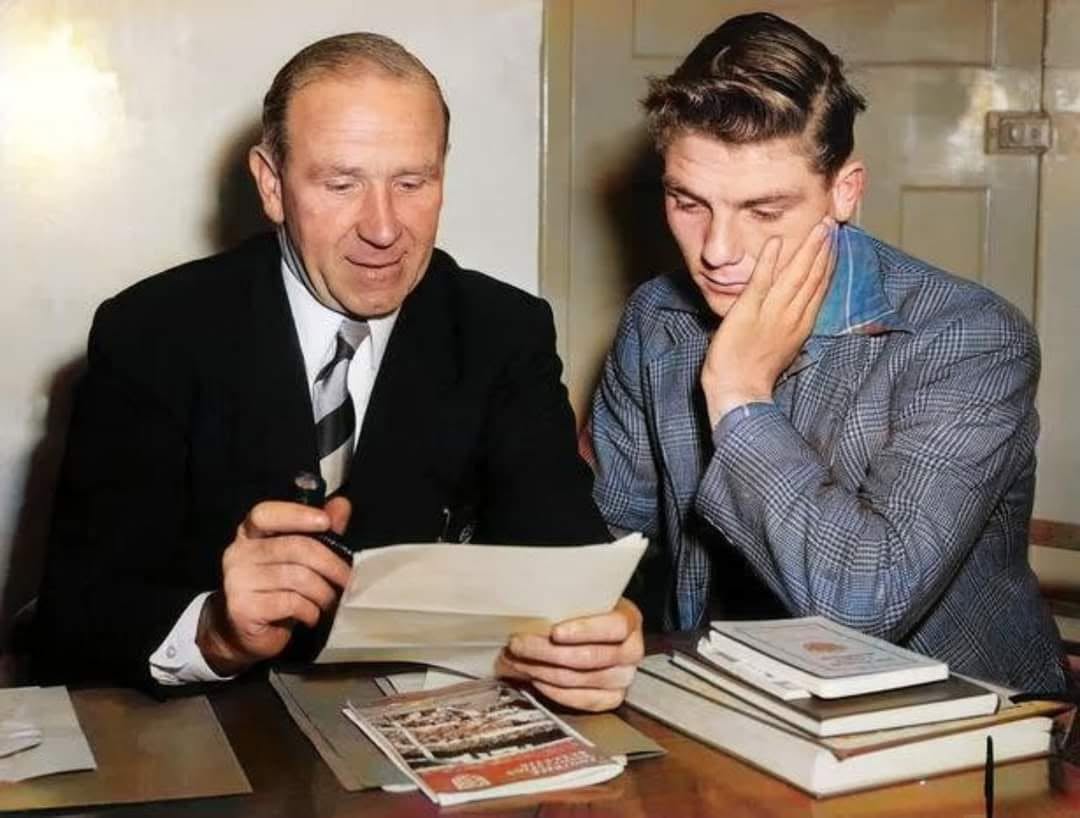
Committees usually ran football clubs. The team manager mostly dealt with administrative matters. But Busby insisted that he should recruit players, take training and select the team. These revolutionary methods won him eight major honours, while – more importantly – creating a blueprint for club politics that was adopted by other forward-thinking managers.
Wembley
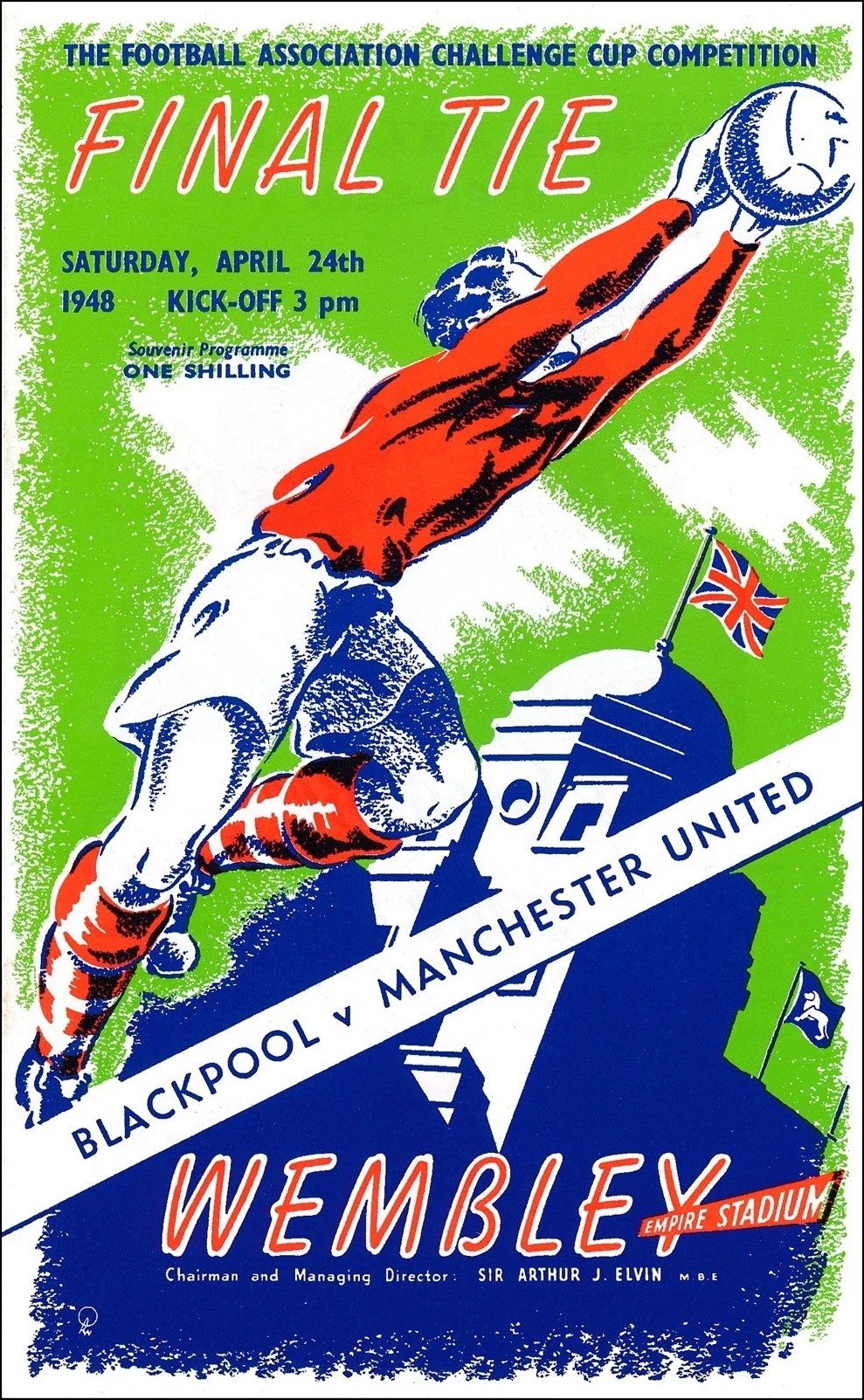
His team were League runners-up three times before winning the 1948 FA Cup. An incisive, robust style relied on Charlie Mitten’s supply of deep crosses to Stan Pearson, Jack Rowley, Jimmy Delaney and Johnny Morris. Three Wembley goals against Blackpool came from Rowley and Pearson, with midfielder John Anderson getting the fourth.
Carey
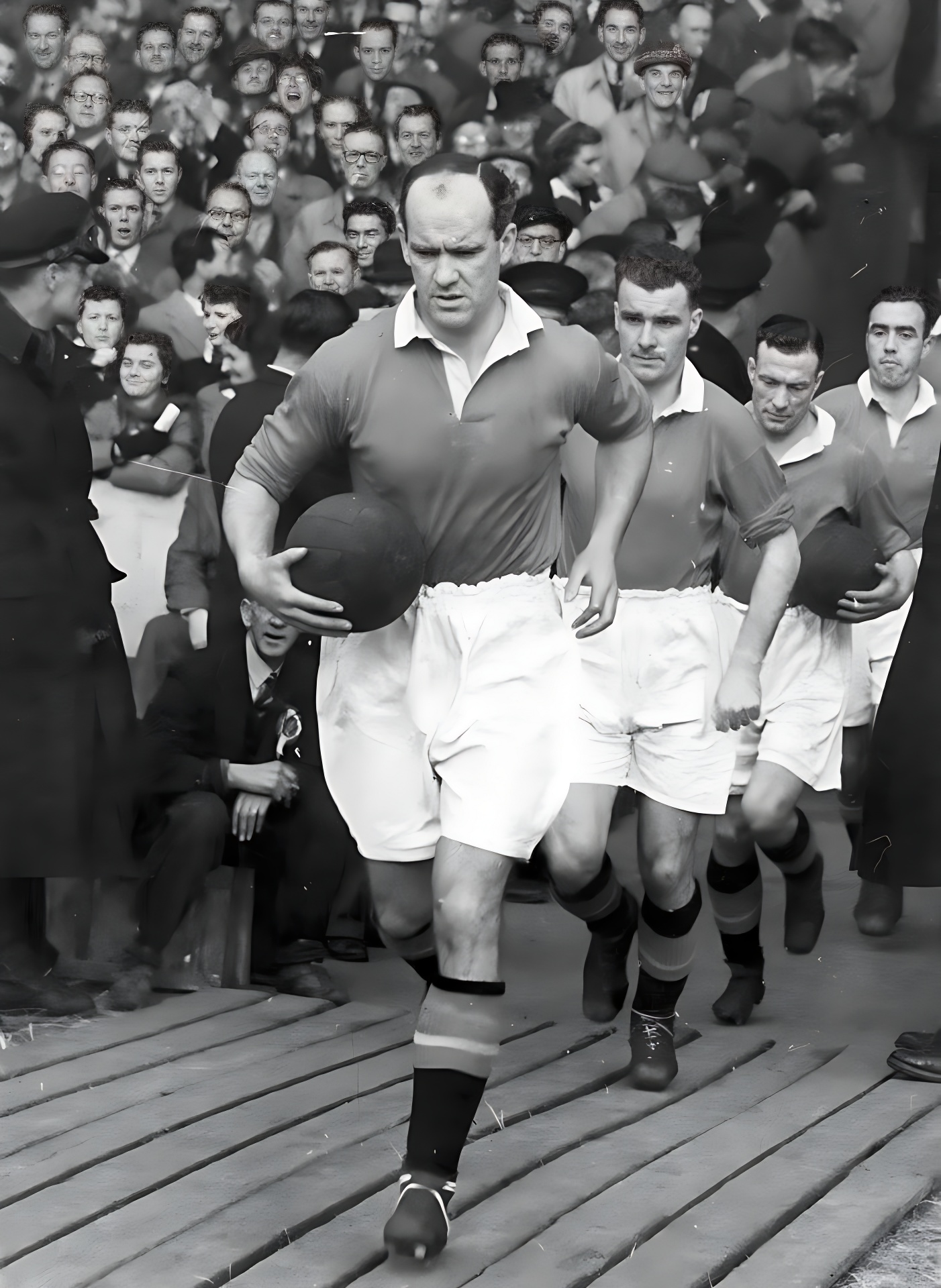
Rowley scored thirty times during 1951-52 as United finished top. Long-serving captain Johnny Carey also had a fine season. But the side was getting old, and Busby – rather than buying replacements – decided to introduce home-grown talent. Striker Roger Byrne and centre-half Jackie Blanchflower both made debuts that year, with others not far behind.
promise
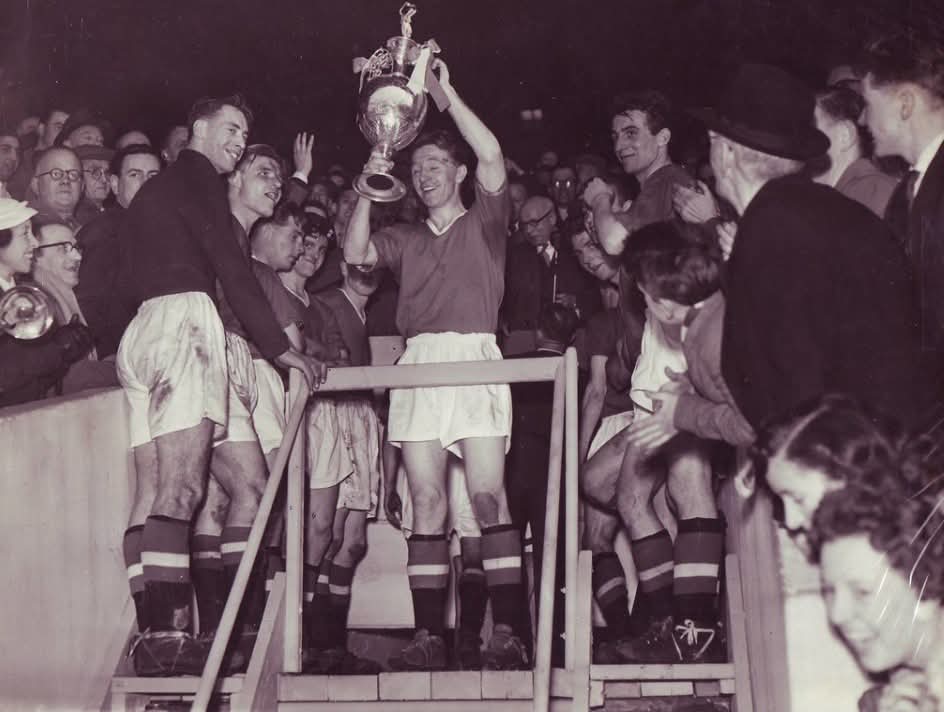
The so-called Busby Babes would redefine both Manchester United and British football. This young team, whose average age was just twenty-one, won successive titles playing quick, expansive football. But their incipient promise was cruelly cut short when the plane taking them home from a European Cup-tie with Red Star Belgrade crashed on take off from Munich airport.
regulars
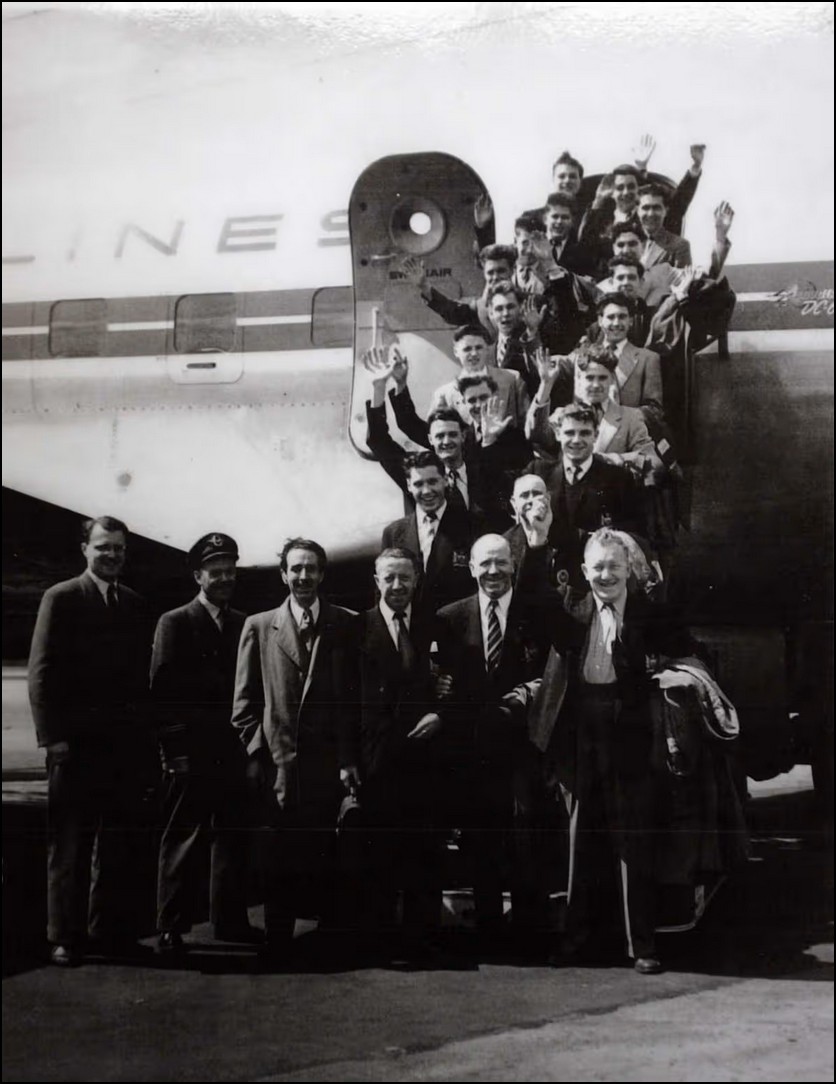
Eight first team regulars died in the accident. Seven – Byrne, Duncan Edwards, David Pegg, Liam Whelan, Eddie Colman, Mark Jones and Geoff Bent – were youth products developed by Busby’s assistant Jimmy Murphy. The other, Tommy Taylor, had been signed from Barnsley. Blanchflower and club captain Johnny Berry never played again, while Busby spent nine weeks in hospital and twice received the last rites.
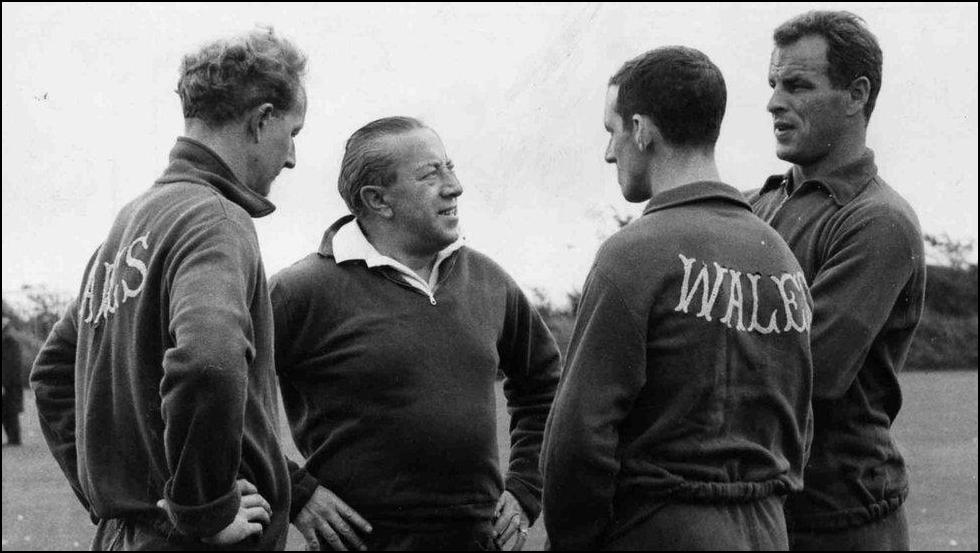
Murphy
Murphy had been managing Wales against Israel in Cardiff so didn’t fly that night. He took temporary charge at Old Trafford until Busby was well enough to return. Survivors Harry Gregg, Bill Foulkes, Albert Scanlon, Dennis Viollet and Bobby Charlton became the nucleus of a rebuilt side that won the 1963 FA Cup, while United’s sixth title followed two years later.
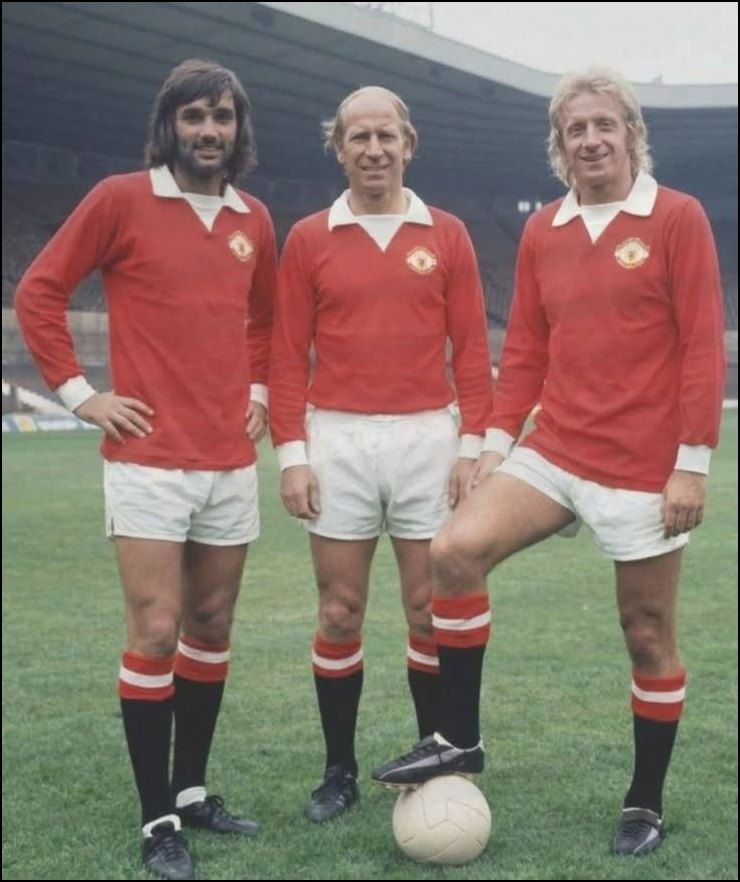
flamboyant
New signing Denis Law scored the opener against Leicester City at Wembley. It was his twenty-ninth of the season. He already enjoyed a strong bond with Charlton, and Busby decided to combine them both with outrageously gifted youth product, George Best. Their flamboyant, attacking play lay behind another championship win that secured qualification for the 1967-68 European Cup.
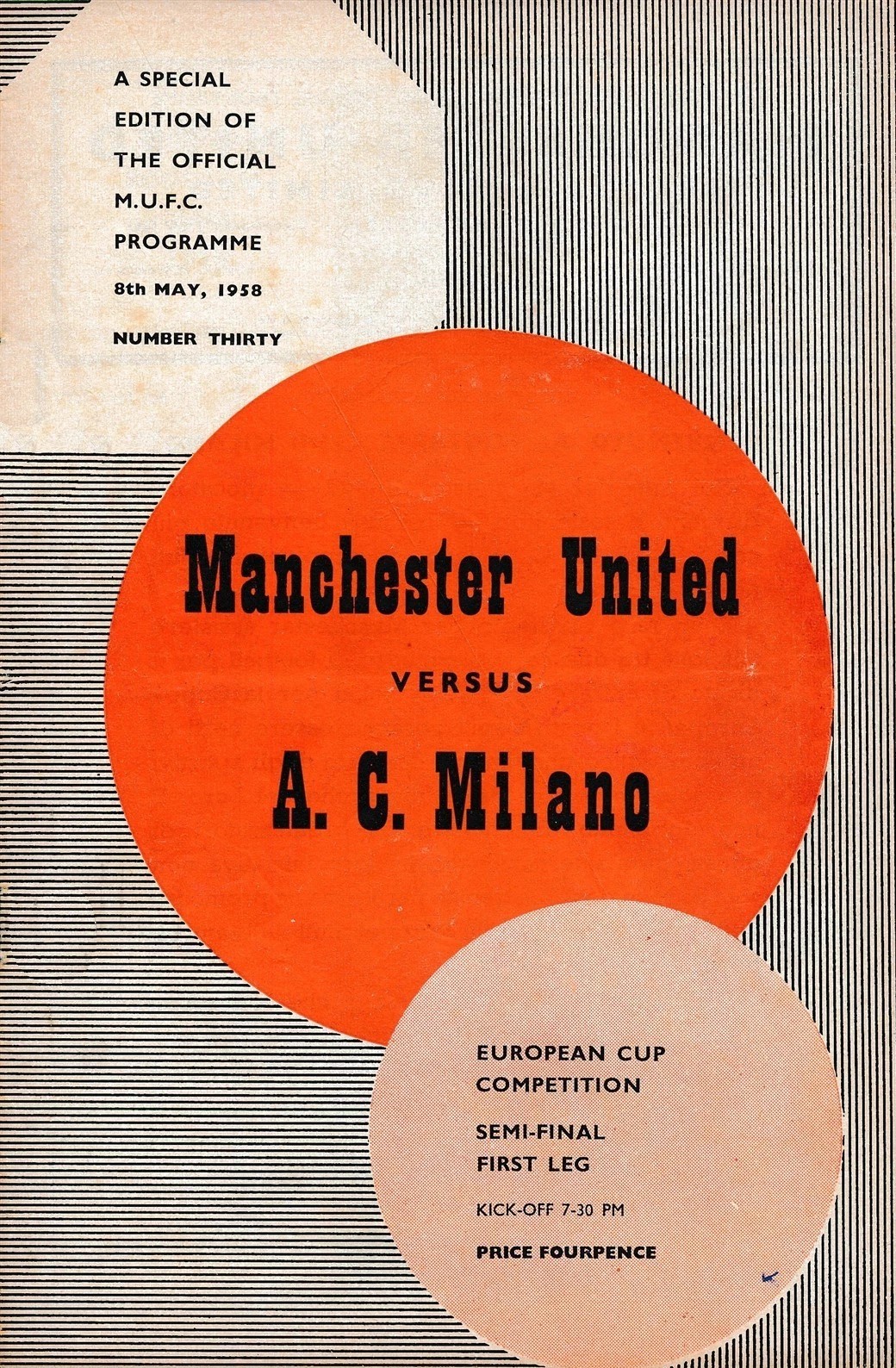
sombre
This competition understandably preoccupied United. They had first taken part in 1956-57, when the Football League forbade champions Chelsea from entering. Maine Road staged their opening home match that year due to Old Trafford’s lack of floodlights; Real Madrid eventually inflicted the first of three agonising semi-final defeats, among them a sombre mismatch against AC Milan soon after Munich.
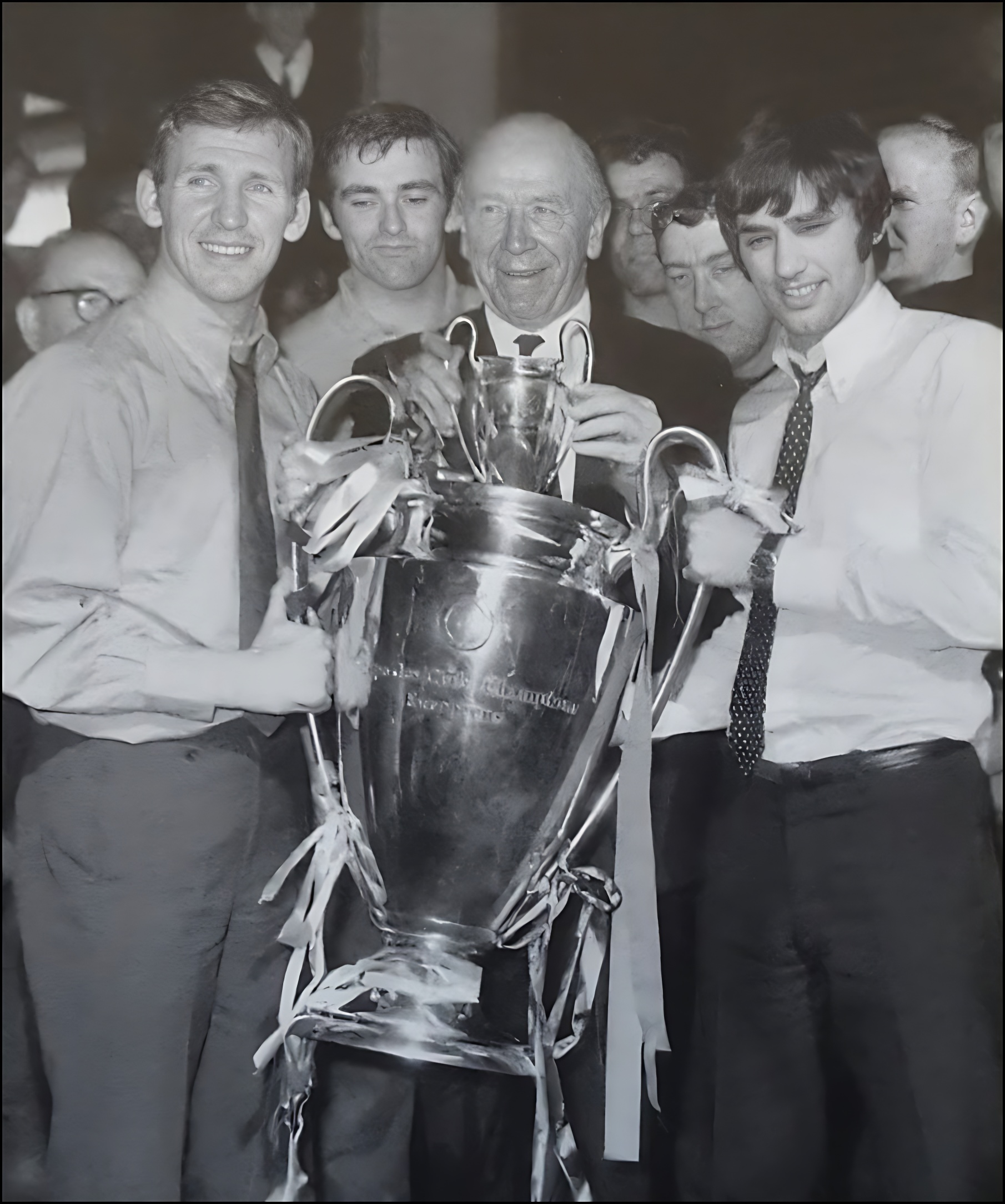
justification
Real seemed no less daunting eleven years later. They were trying to win the trophy for a seventh time. But United went through, thanks to Best’s goal at Old Trafford and the dramatic equaliser from Foulkes – playing one of his last games – that clawed them level after being 3-1 down. This heroic display set up their equally cathartic victory against Benfica at Wembley. “It cleansed me”, said Busby. “It was my justification.”
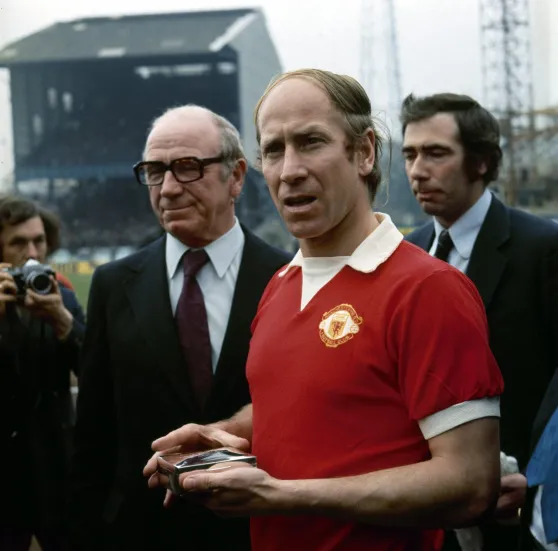
retired
He duly stepped back from team affairs and became a director. Successors Wilf McGuinness and Frank O’Farrell would have found life difficult even without his well-meant but pervasive presence. Their signings were often disappointing; Best’s off-field behaviour became impossible to handle, Charlton retired, Law went to Manchester City and the team found themselves playing Second Division football.
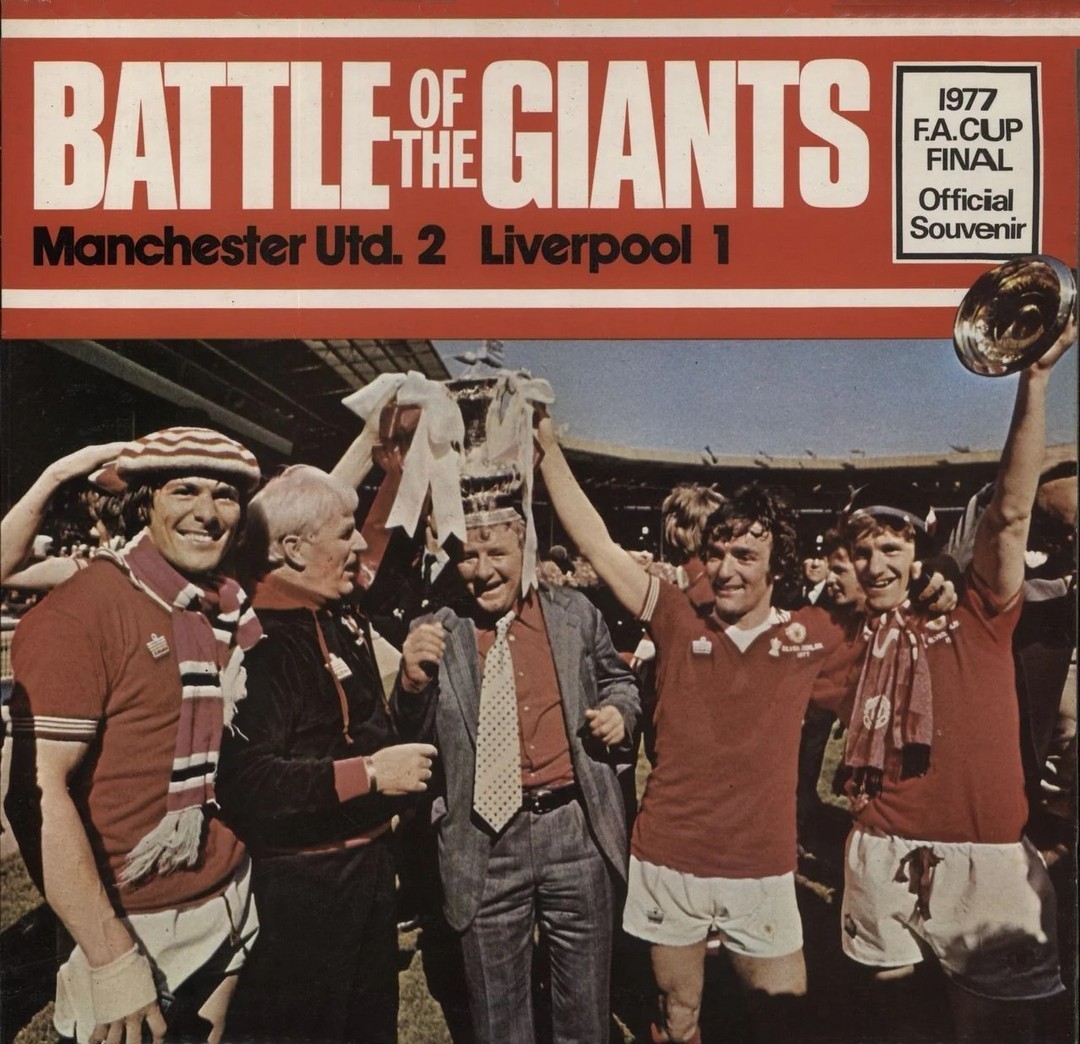
Docherty
United’s glory days seemed over. Promotion as runners-up, the occasional title challenge and three FA Cup wins in fifteen subsequent seasons did nothing to suggest they would ever return. Tommy Docherty, Dave Sexton and Ron Atkinson all built good sides but ultimately delivered little. It felt a long time indeed before Alex Ferguson’s own great dynasty took Busby’s enduring vision into the Premier League era.
The journey
childhood
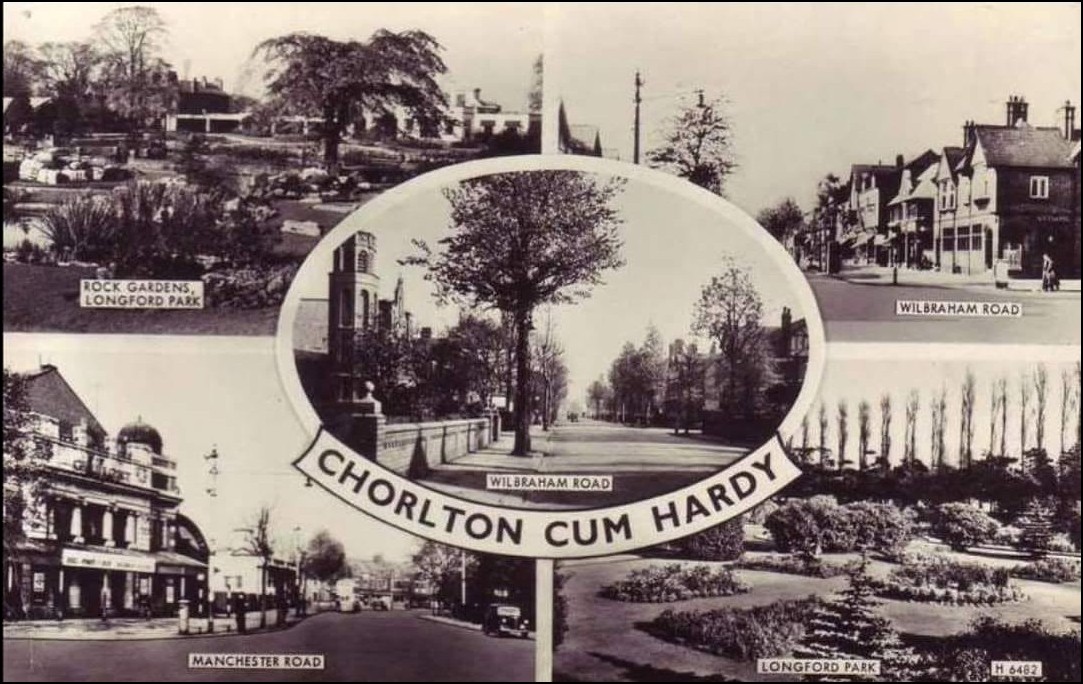
Every visit I make to Old Trafford recalls my childhood. It doesn’t help that residents-only schemes have pushed street parking beyond Seymour Grove and close to our old house. John and I met on these dark, quiet roads; most things seem smaller, but flimsy saplings I remember being planted are now thirty feet high and forcing the pavements out of shape.
The ground
raid
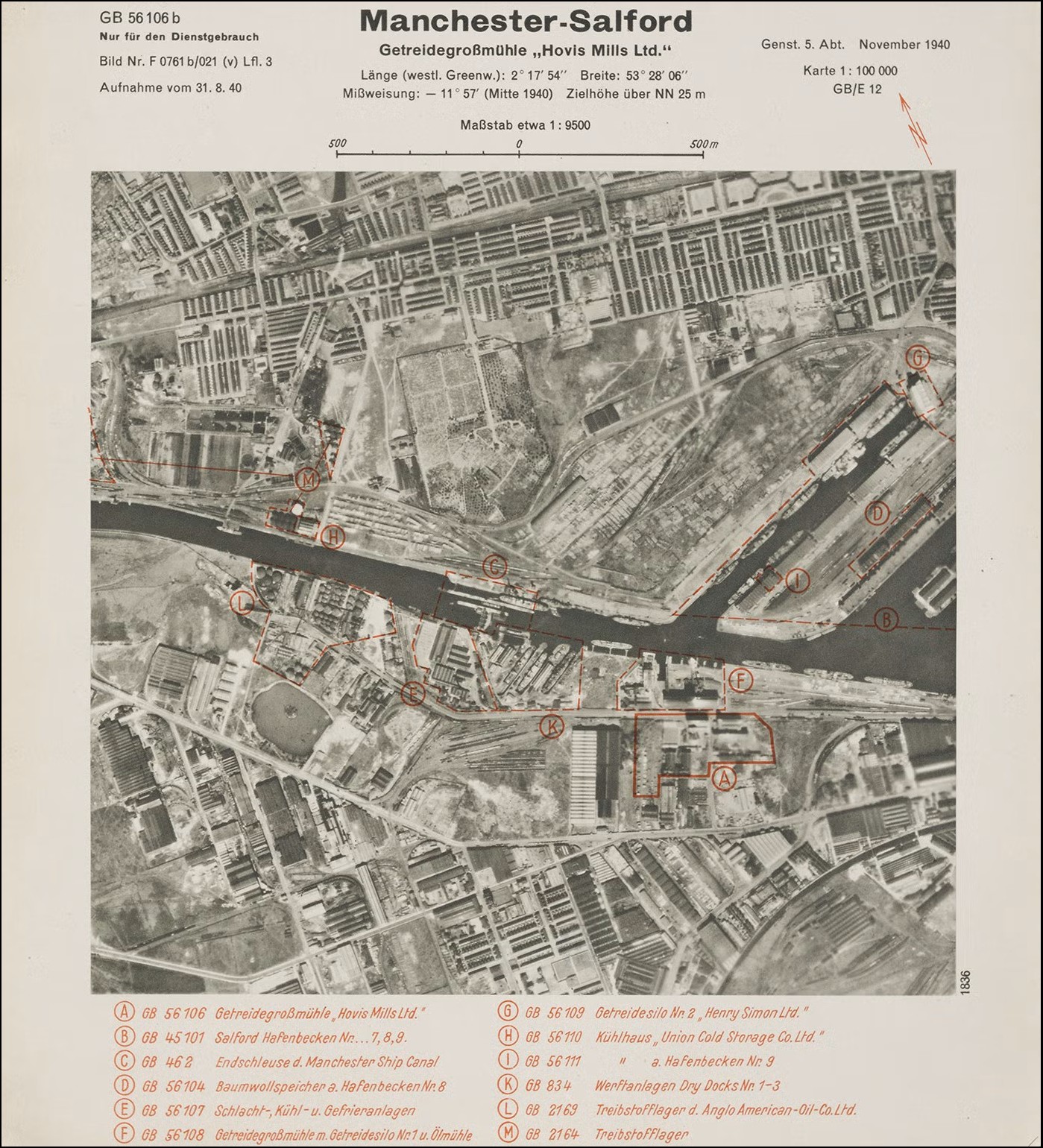
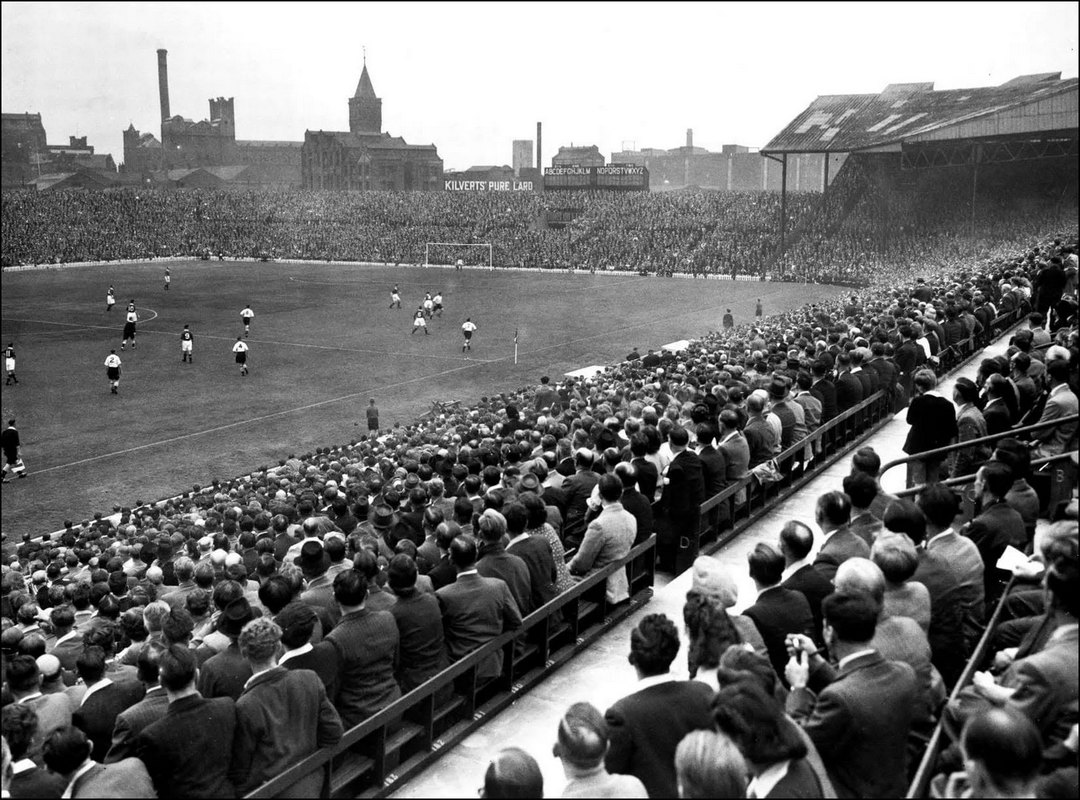
That 1941 air raid hit the Main Stand and United Road sides of Old Trafford. Each lost its roof, while seats and terracing also suffered significant damage. The ground had once been positively luxurious – there was a billiard room, plunge bath, sauna, gymnasium and even uniformed attendants to help patrons find their place. But everything now lay in ruins, and repairs took eight long years.
open
Two covered corners survived on the southern side. These would be Old Trafford’s only shelter for some years, with seated spectators open to wind, snow and rain until a new Main Stand roof was finally built. The popular Stretford End gained its own substantial cover some time later, while United Road had another deeply pitched shelter that – despite several extensions – never quite reached either eighteen-yard line.
futuristic
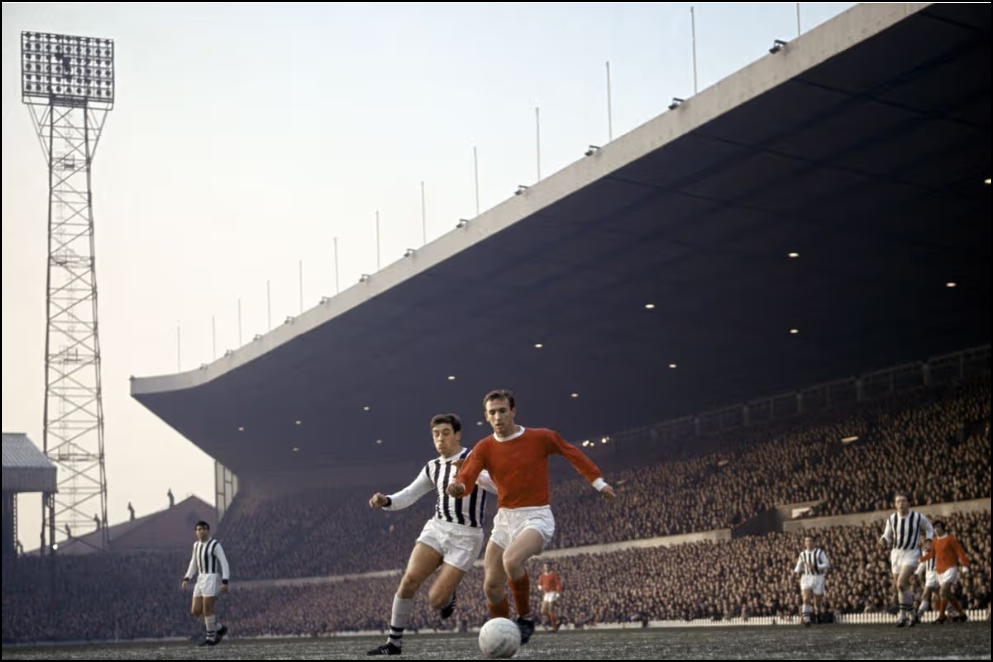
The club’s redevelopment plans soon became rather more ambitious. When Old Trafford was chosen for three games during the 1966 World Cup, they quickly decided to reconfigure it using modern construction techniques. Sheffield Wednesday had recently built a revolutionary new stand with no supporting pillars; United went even further, incorporating executive boxes at the rear of their futuristic United Road cantilever.
stages
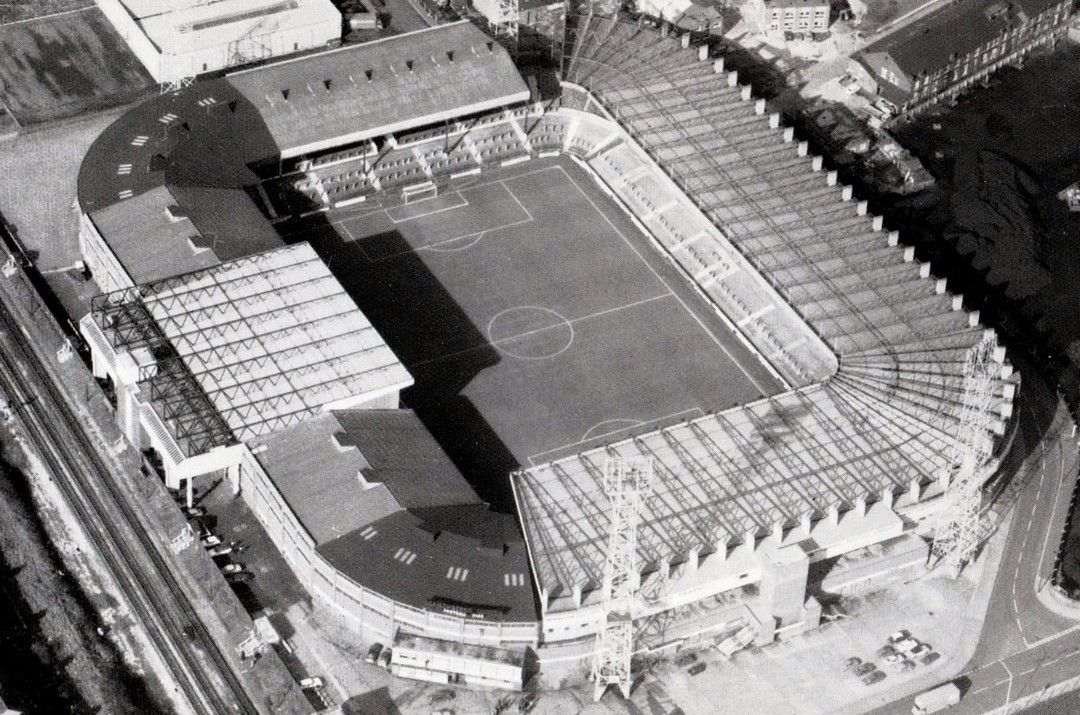
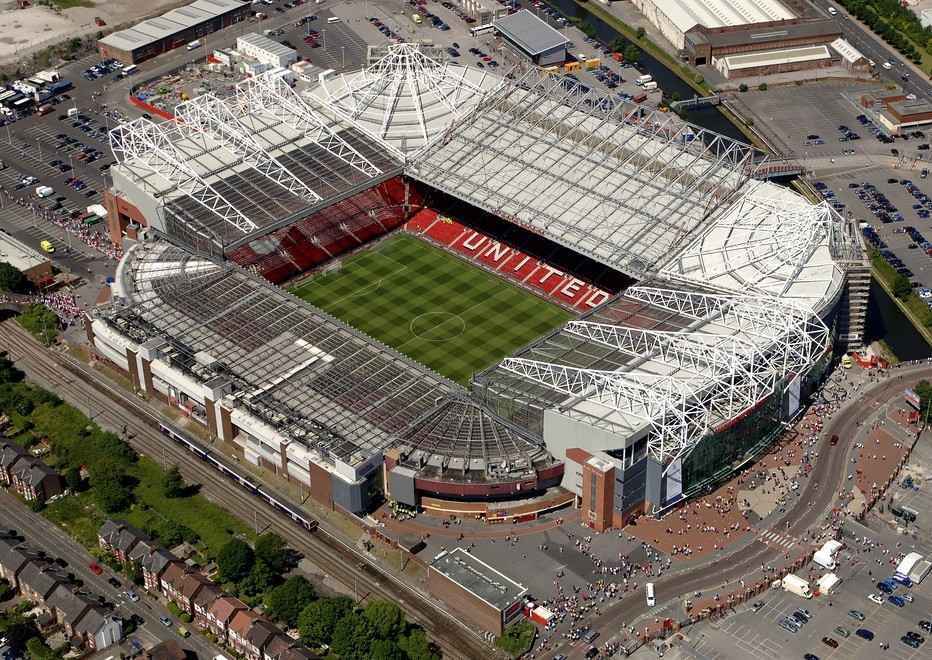
Further building work saw them extend this graceful structure across the Scoreboard End terracing. They then cantilevered that Fifties-era Main Stand roof in three stages, along with one corner quadrant. The Stretford End – which by 1985 had become Old Trafford’s only section without complete cover and unobstructed views – was always intended to be next.
symmetrical
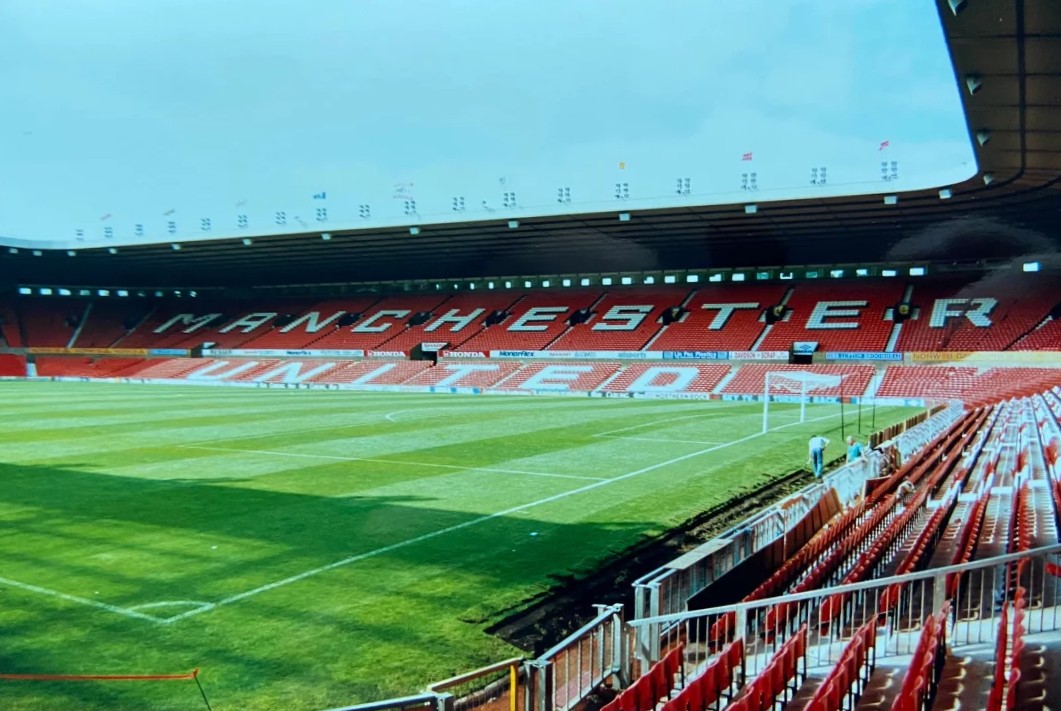
In the event Lord Justice Taylor’s all-seater hegemony finally achieved a symmetrical stadium. Having to convert perfectly adequate terraces – together with ill-timed playing resurgence under Ferguson – did, however, result in capacity being unfeasibly small. Another round of building therefore saw vast upper tiers added to all but the Main Stand side, as United began consuming nearby land and buildings like some greedy corporate monster.
towering
For all its ugly pragmatism this is even now recognisable as a Leitch design. His long-preserved elliptical profile survives largely intact beneath the towering new stands, so that anyone who came here pre-Taylor can equally well pick out United Road’s graceful Sixties curve. Poignant history lurks around every corner; for those lucky enough to be haunted, old ghosts still occasionally walk.
Flesh and wine
session
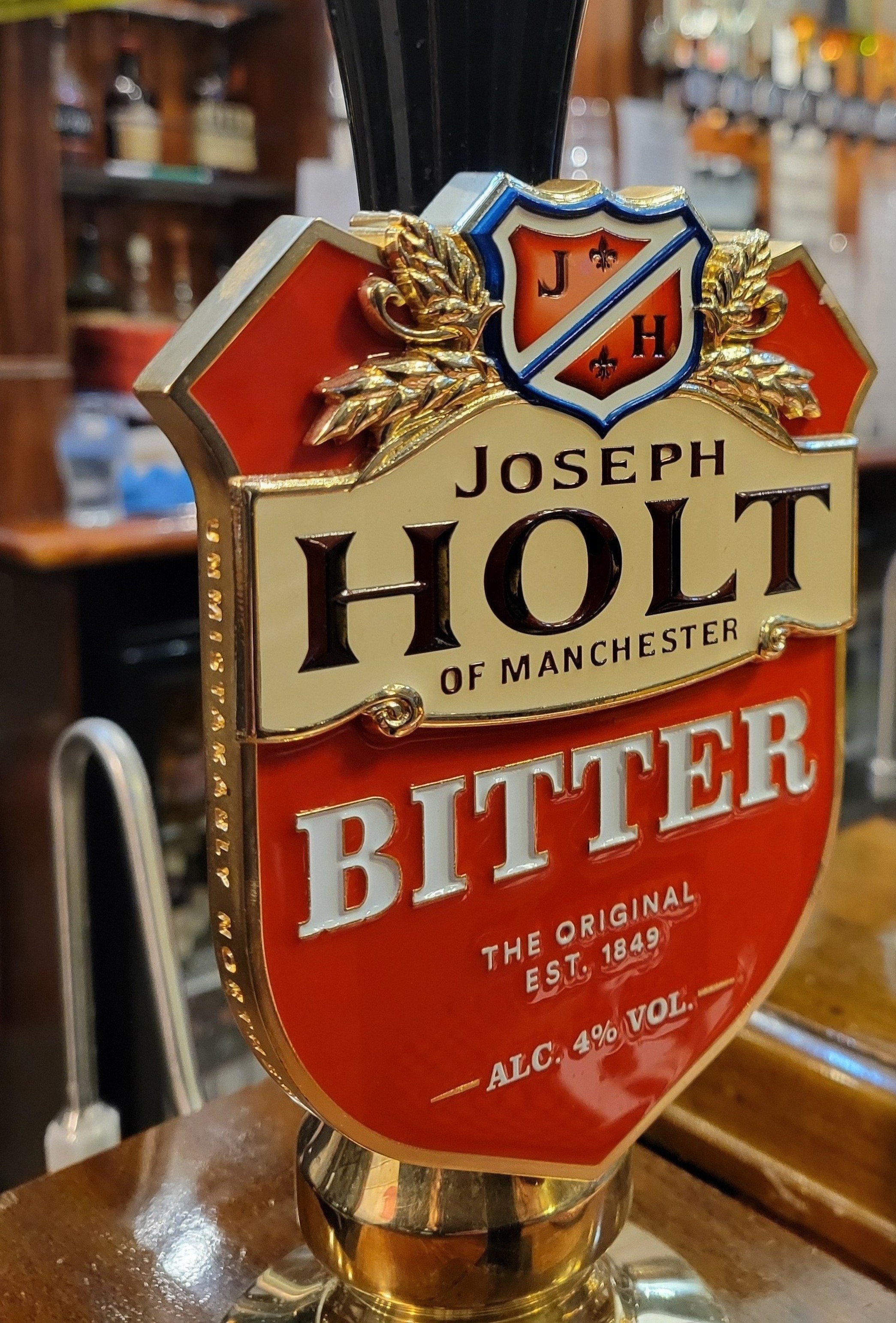
We settled on the Quadrant for tonight’s pre-match session. Out of town fans throng every pub for miles; some places do, however, retain more local character than others. This old favourite hides away among small shops, next to a tree-lined roundabout between the cricket ground and Longford Park. It’s surrounded by seemingly endless suburban semis built during southern Manchester’s pre-War expansion.
memorial
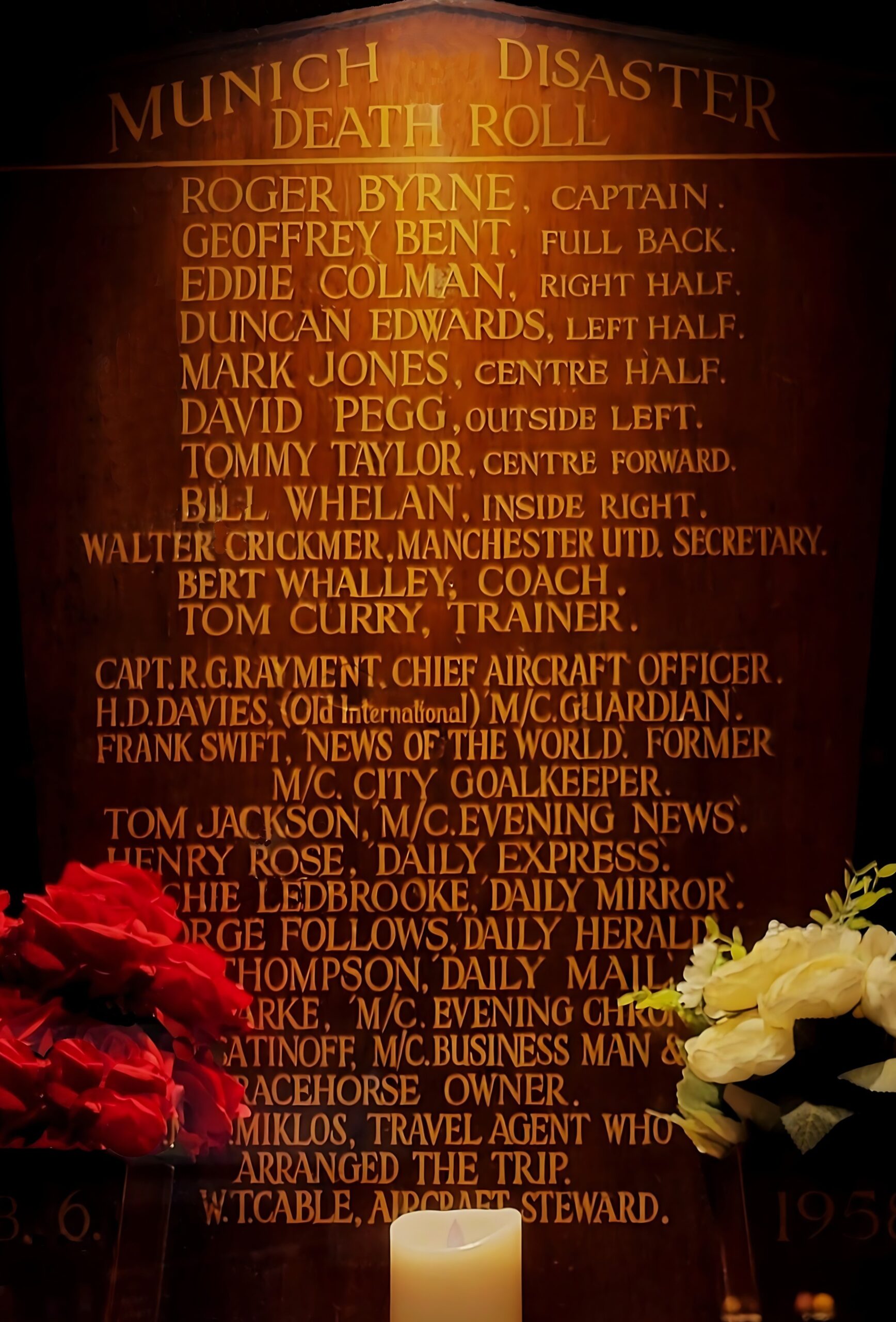
This was boozer of choice for many United players both before and after Munich. Legend claims that Tommy Taylor would sit here for hours, innocently drinking tonic water which landlord John Leary topped up with gin under the bar. A memorial plaque on one wall – funded by locals and regulars – commemorates all twenty-two people who lost their lives.
hot stuff
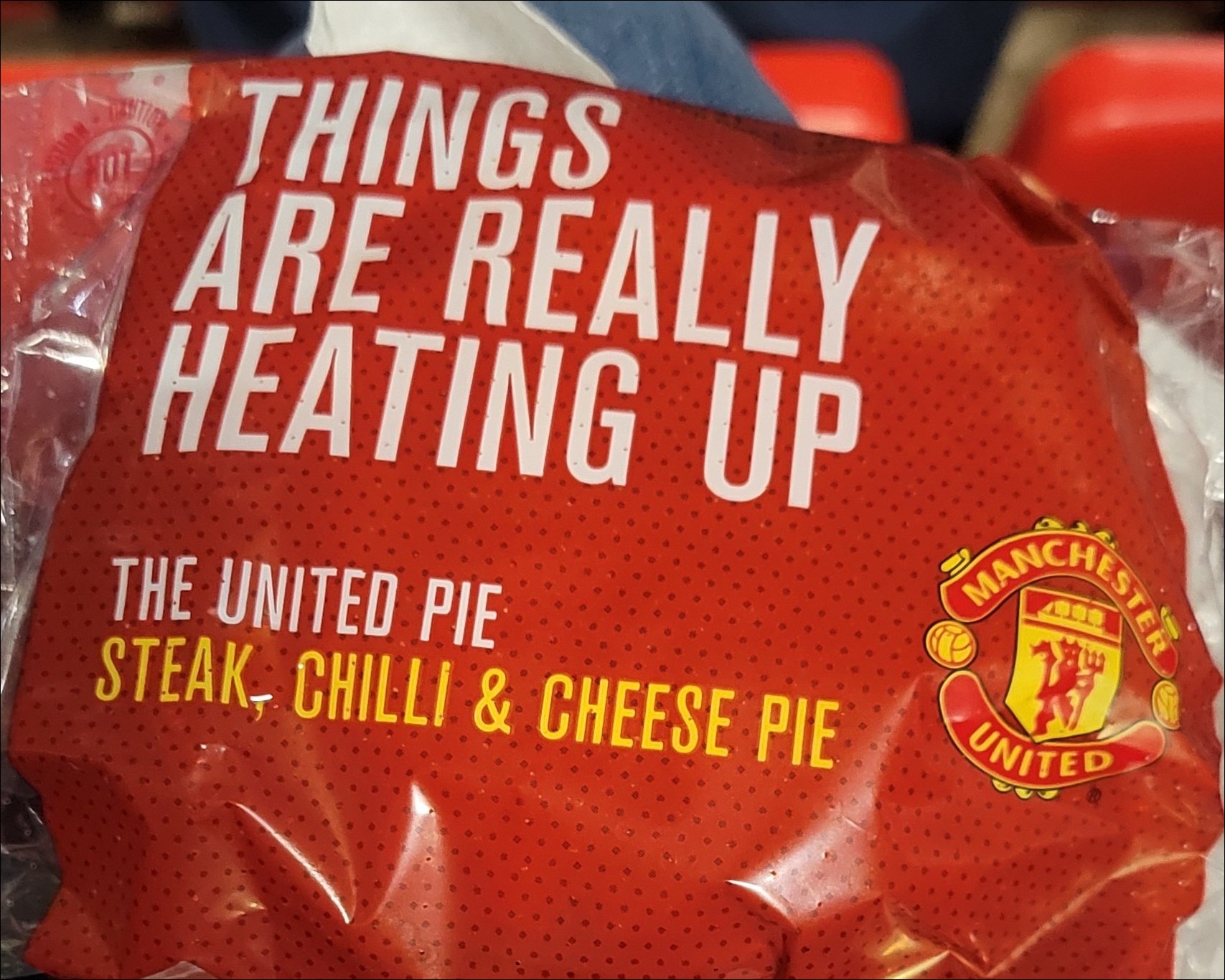
Takeaways are scarce among Firswood’s sedate avenues. Our subsequent route went along equally residential Railway Road – avoiding Lou Macari’s chippy, and a grim press of identikit food vans nearby – so we decided to dine inside. My pie was hot as volcanic magma but had cooled down somewhat when I finally made it to the Stretford End’s topmost row.
The game
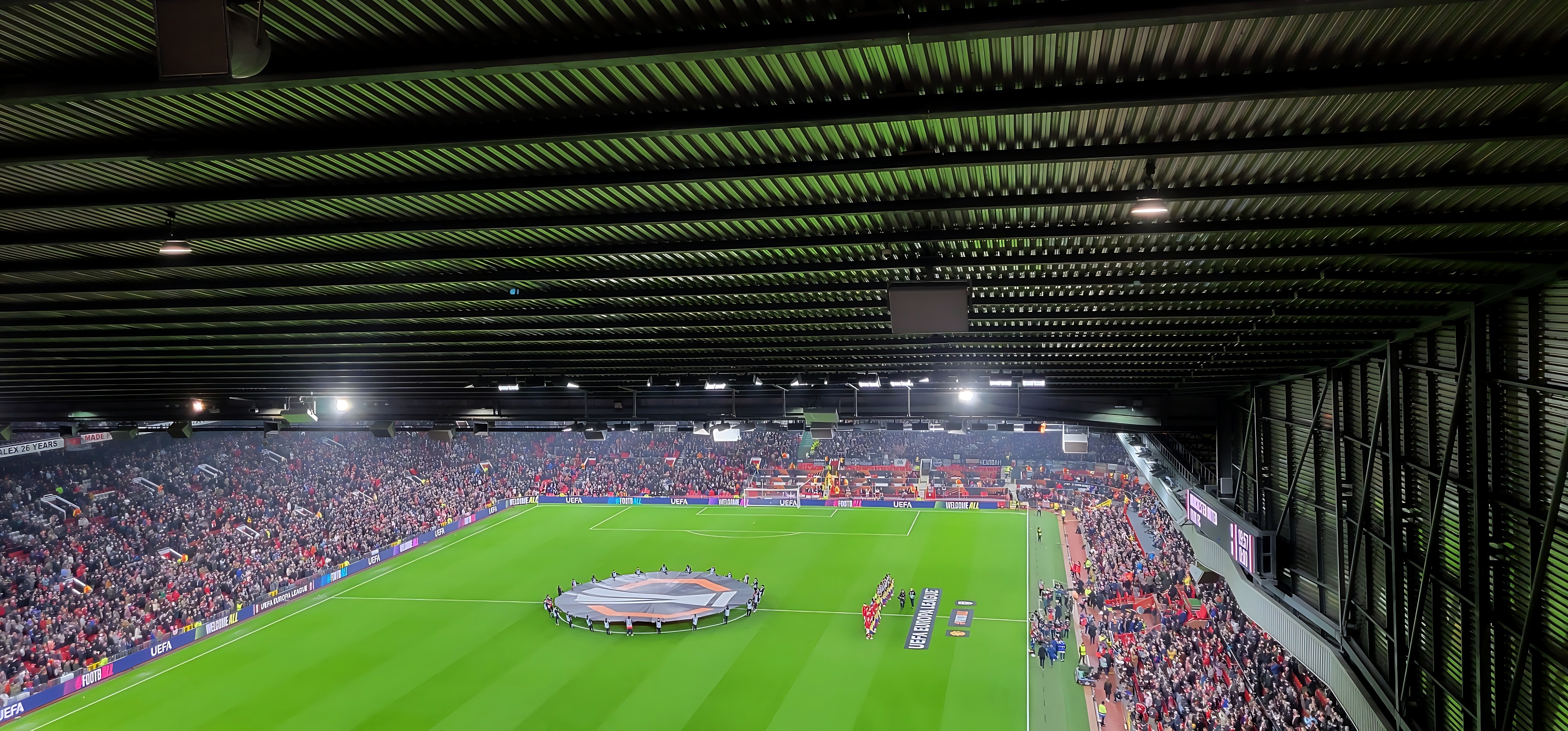
hopeful
Home fans were hopeful United could break their run of straight draws in this competition. For much of the first half, however, it seemed as though Greek champions PAOK would frustrate them much as Twente, Porto and Fenerbahce had done. Both sides made themselves busy but Mady Camara’s stinging drive – tipped over at full strength by Andre Onana – was the closest we came to a goal.
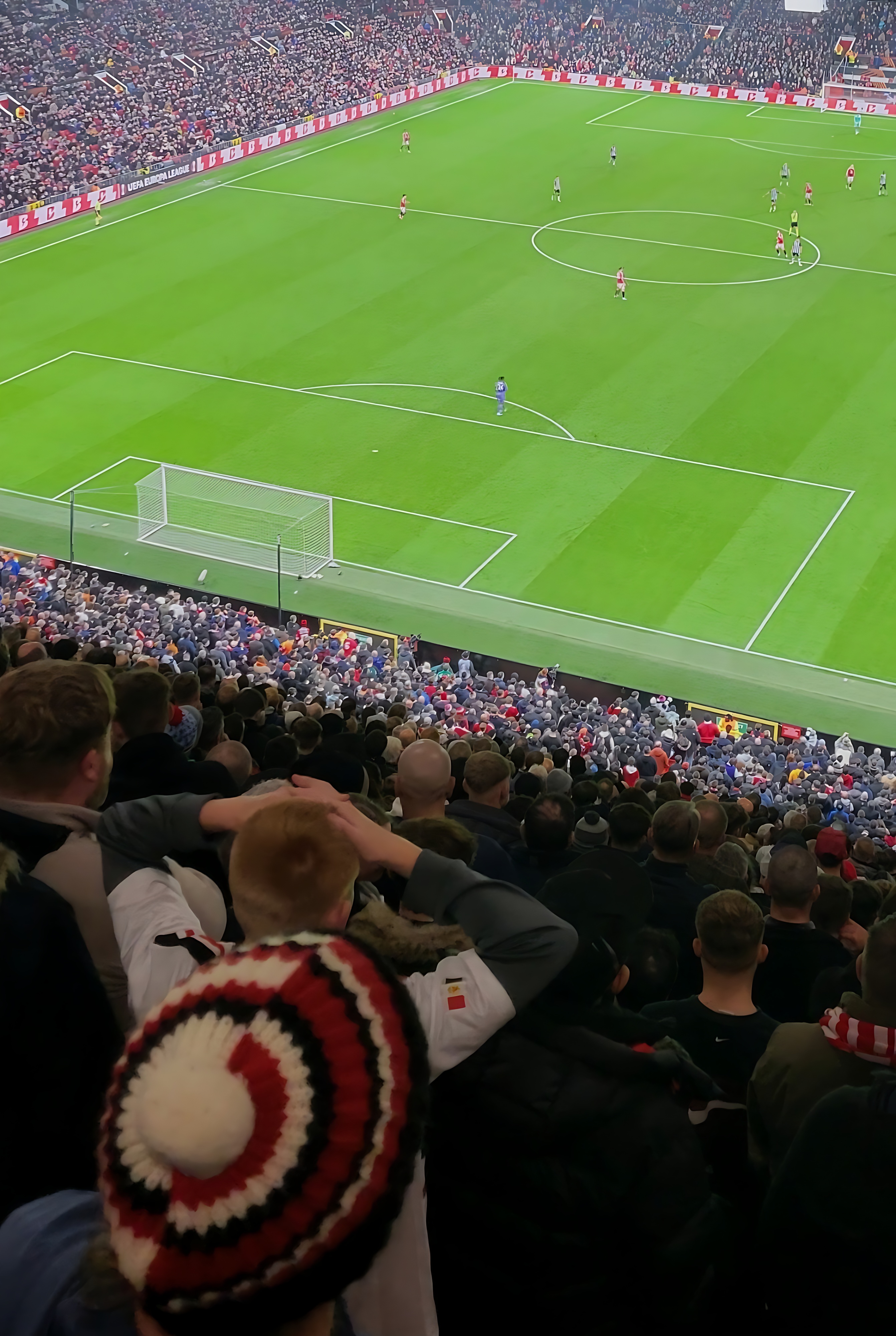
nerves
Amad Diallo calmed Mancunian nerves when his header from a precise Bruno Fernandes cross put United ahead. PAOK fought back; Andrija Zivkovic wasted Magomed Ozdoyev’s excellent through ball, and Tarik Tissoudali shot straight at Onana. But this would be Diallo’s night. He took his second – hit expertly across Dominik Kotarski after robbing Abdul Rahman Baba – quite brilliantly.
Teams and goals
Manchester United: Onana, Dalot (Martinez 65), Evans, Lindelof, Mazraoui, Ugarte (Eriksen 65), Casemiro, Garnacho (Rashford 65), Bruno Fernandes, Diallo (Mount 81), Hojlund (Zirkzee 90). Unused subs: Amass, Bayindir, Fitzgerald, Heaton, Wheatley, de Ligt, Antony.
PAOK: Kotarski, Baba, Colley, Kedziora, Jonny, Schwab (Bakayoko 65), Ozdoev, Taison (Shoretire 84), Camara (Despodov 75), Zivkovic, Tissoudali (Chalov 65). Unused subs: Balomenos, Michailidis, Monastirlis, Joan Sastre, Brandon Thomas, Thymianis.
Goals: Diallo 50, 77.
Attendance: 73,174.