Watford 3 Tranmere Rovers 3
FA Cup
Saturday 4 January 2020

insect nation
The context
John had never been to Vicarage Road before. Watford’s Premier League status, however, meant getting hold of tickets was difficult. Alexa – a Cup-tie against League One opposition please, with the visitors my good friends from Birkenhead.
The history
Grand entrance
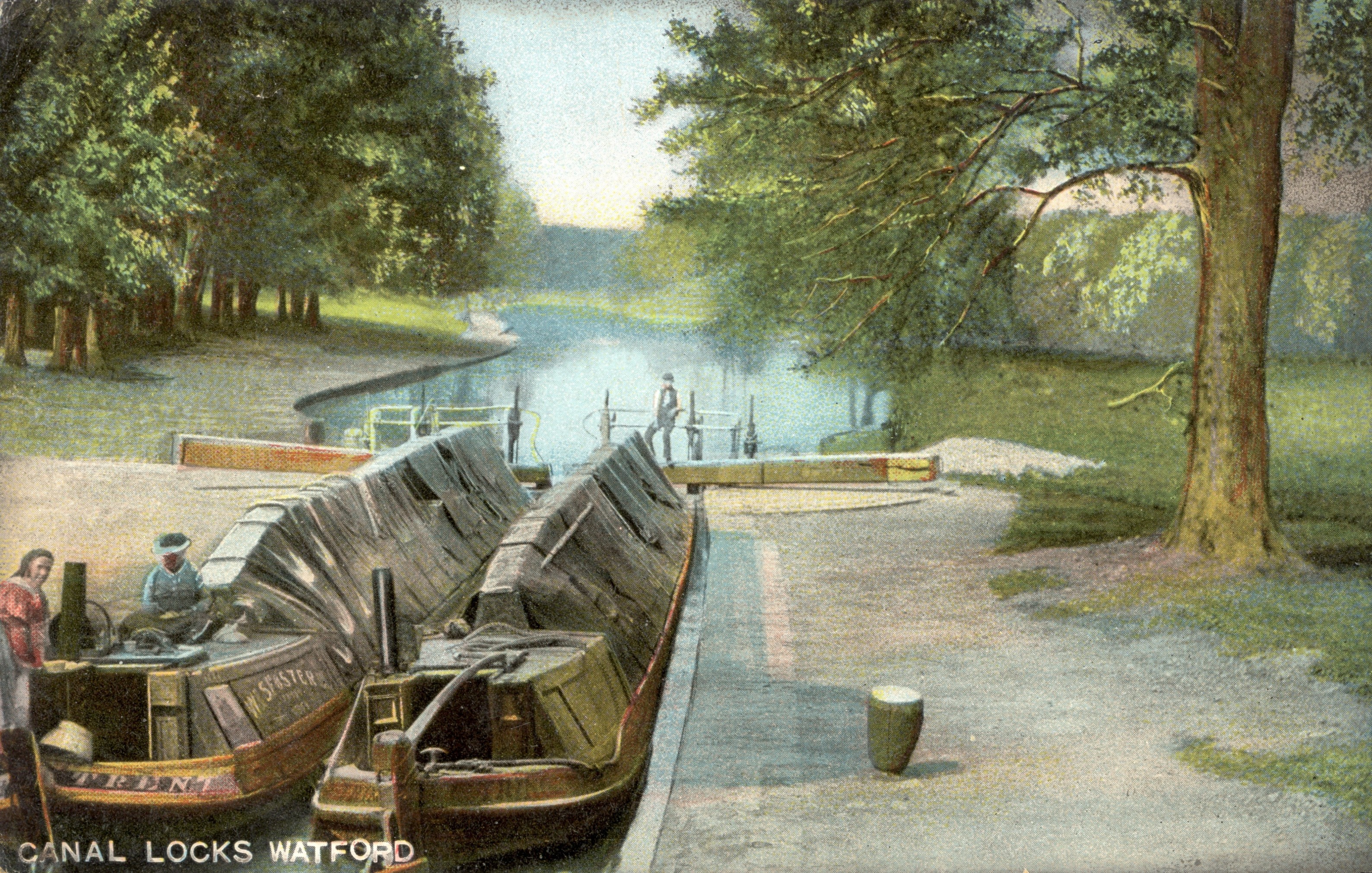
Modern Watford was an unintended consequence of the Grand Junction Canal. This ambitious waterway, completed in 1805, connected London with Northamptonshire and meant that freight could now bypass the Thames completely. Traditional cottage industry gave way to canalside breweries; paper mills – along with their ancilliary printworks – also thrived.
bottle job
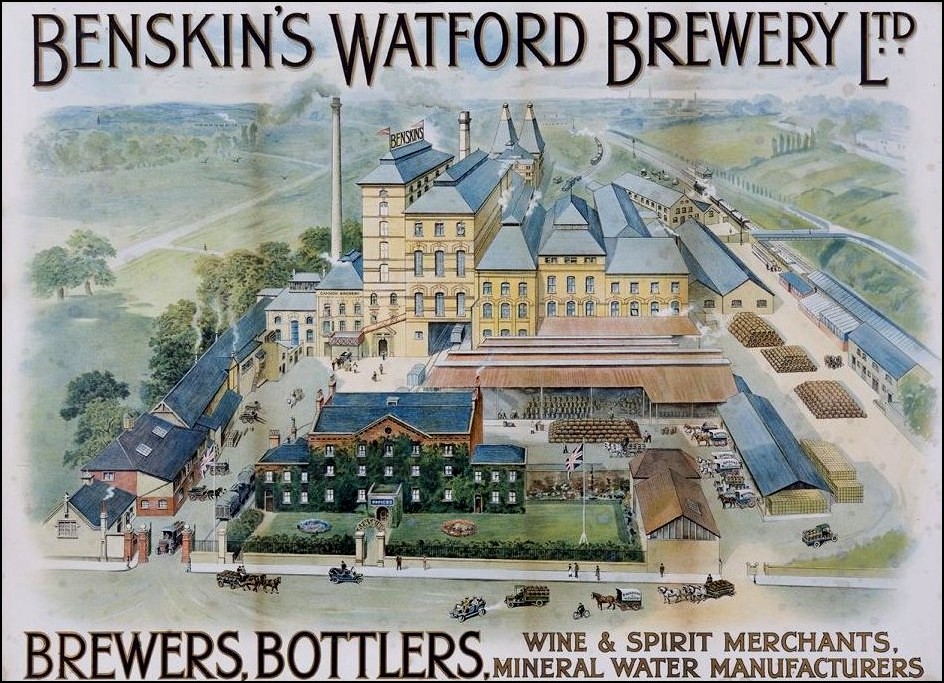
Benskins were one company who did well. Founder Joseph Benskin – a former hotelier known for wearing leather Wellington boots – acquired John Pope’s century-old brewhouse in 1867. When his sons took over the business they used modern technology to become Hertfordshire’s foremost beer producers, ultimately owning six hundred pubs across eight counties.
Metropolitan plan
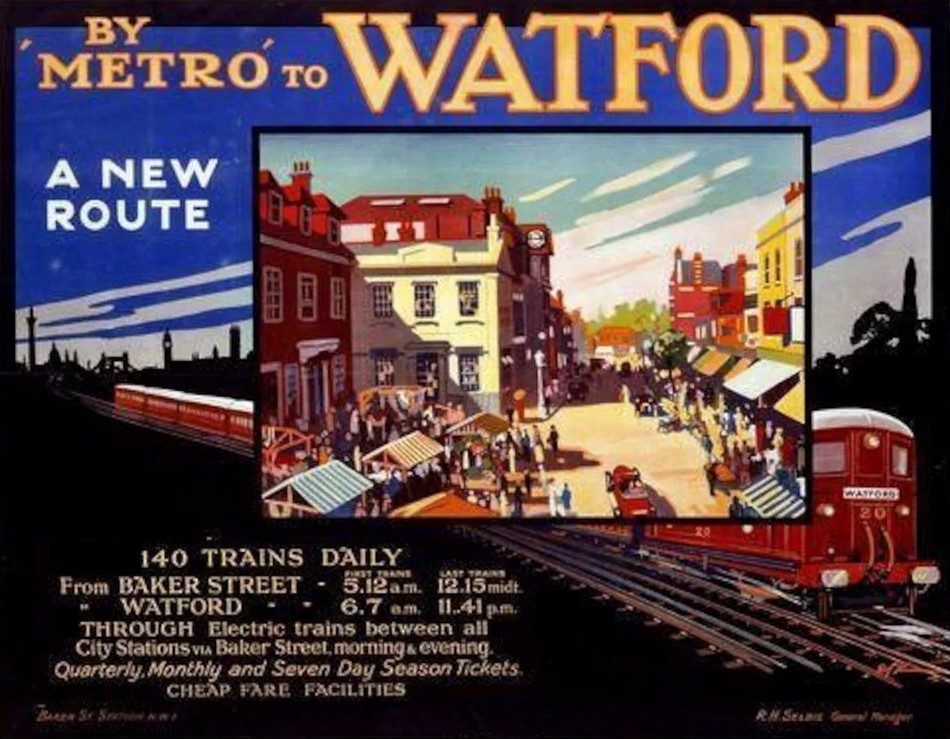
Railways brought even greater change. The opening of Watford Junction, on Robert Stephenson’s London to Birmingham line, juxtaposed a long-established labouring population – crowding unhealthy slum dwellings around High Street – with professional incomers who settled further out of town. This demographic shift became more pronounced when the Metropolitan Railway was extended to Cassiobury Park.
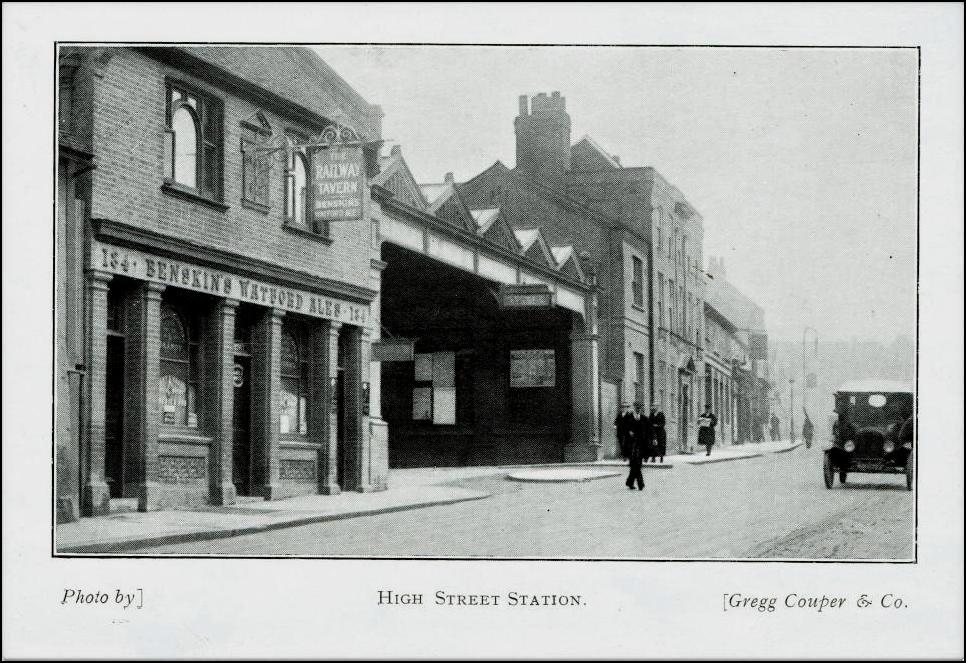
High life
Branch lines for Rickmansworth and Croxley Green ran from Watford High Street. By World War II its long platforms also handled Bakerloo Line underground trains and suburban services to London Broad Street. A Northern Line extension to Watford Central, however, failed to materialise. Half-finished station buildings were later repurposed as the Empress Winter Gardens, Bohemian Cinema and finally today’s Moon Under Water pub.
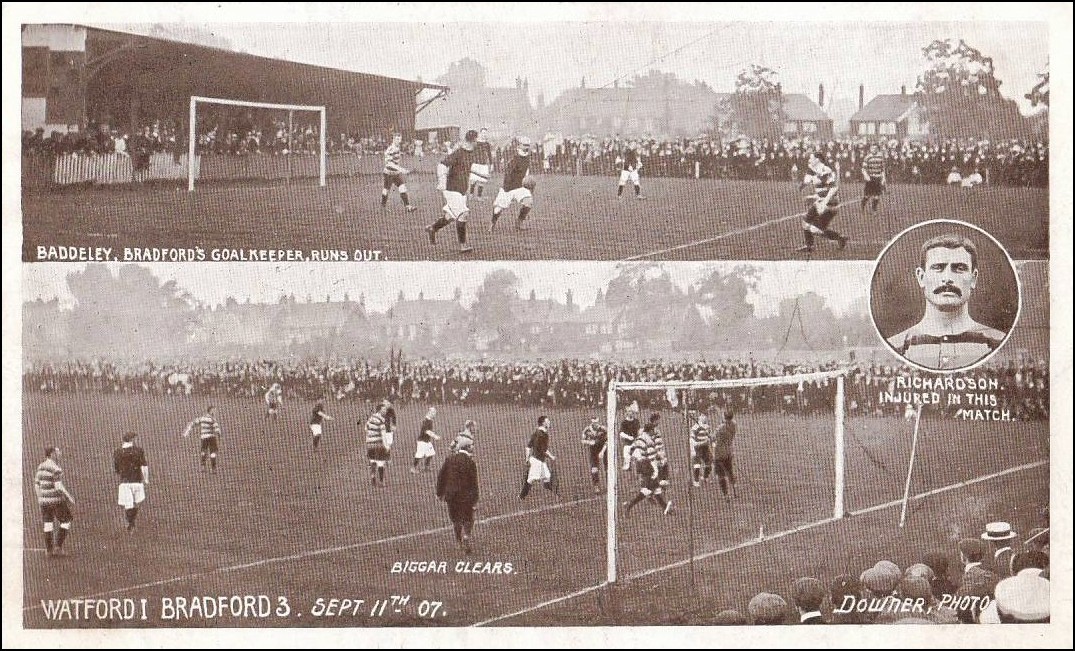
modest
Football took hold more gradually. Southern League Watford FC – formed in 1898 by the merger of two local sides – could attract only modest crowds to their Cassio Road ground. But things looked up; they became founder members of Division Three, and backers Benskins helped them develop another site at nearby Vicarage Road. Fans and players built concrete terracing, while the modern main stand was considered one of Britain’s best.
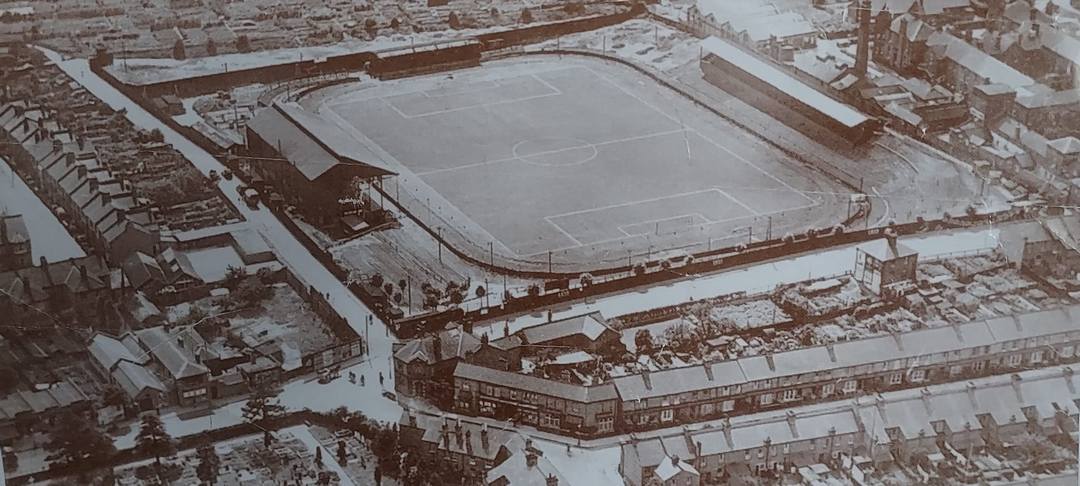
durable
Two wooden terrace covers were brought from Cassio Road. One would be replaced just before World War II by a seated pavilion named after Shrodell’s Public Assurance Institution, whose adjacent workhouse buildings later became Watford General Hospital. Its rather more durable counterpart stood behind the Rookery goalmouth for another twenty years.
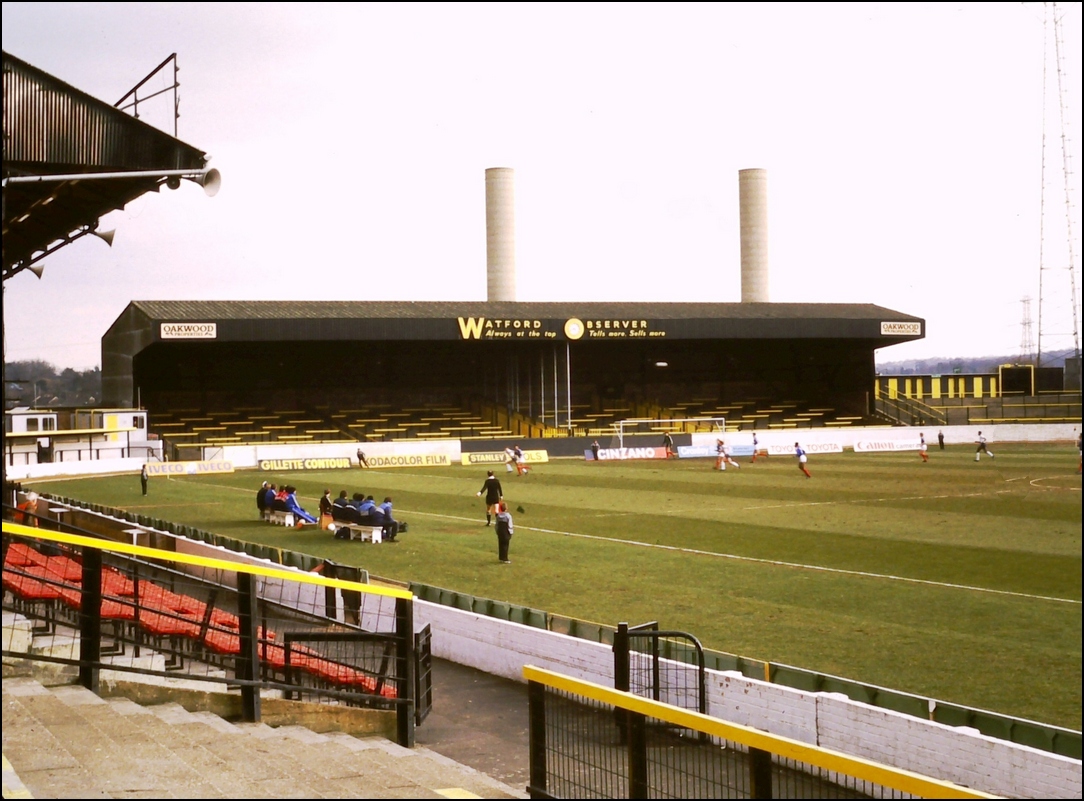
cavernous (Bob Lilliman)
Different theories exist about this end’s name. Some people believe dense woods that once led down to the River Colne had once been popular with rooks; others think slum houses used to stand there. In any event its notoriously shallow terracing acquired a cavernous new roof during the 1950s, which was eventually split between home and away fans.
ruff trafe )Watford Observer)
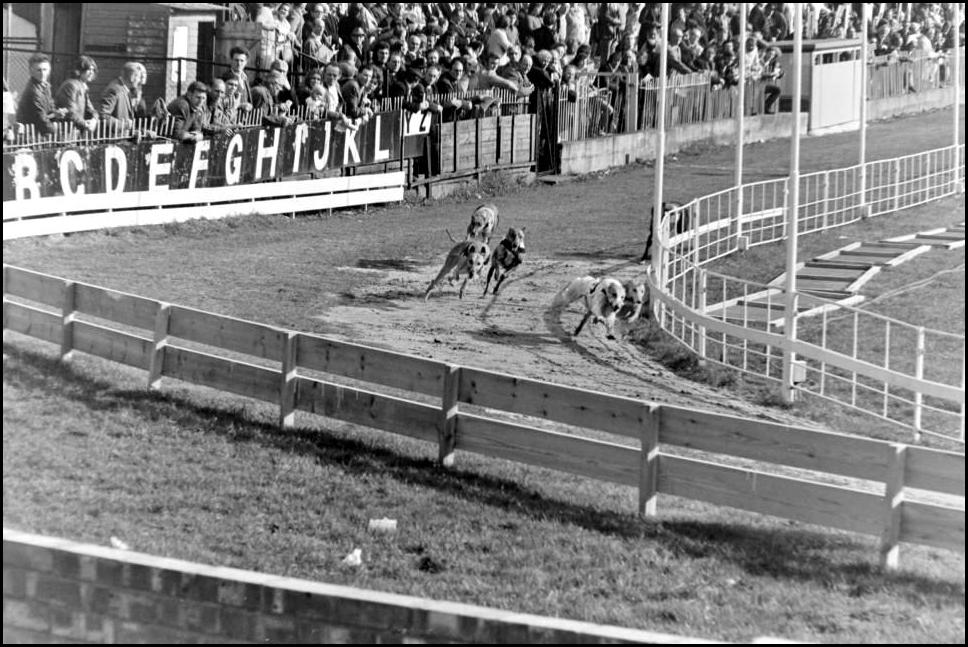
Greyhounds raced here between 1928 and 1978. Few things attracted spectators to provincial grounds like half-starved canines chasing a mechanical hare. Sadly for the dogs, Vicarage Road’s near-right angle bends fully deserved their Wall of Death” nickname; nonetheless, generations of likely lads enjoyed “sneaking in, setting about the ale and trying to nick a few quid off the woof-woofs.”
young (Watford Observer)
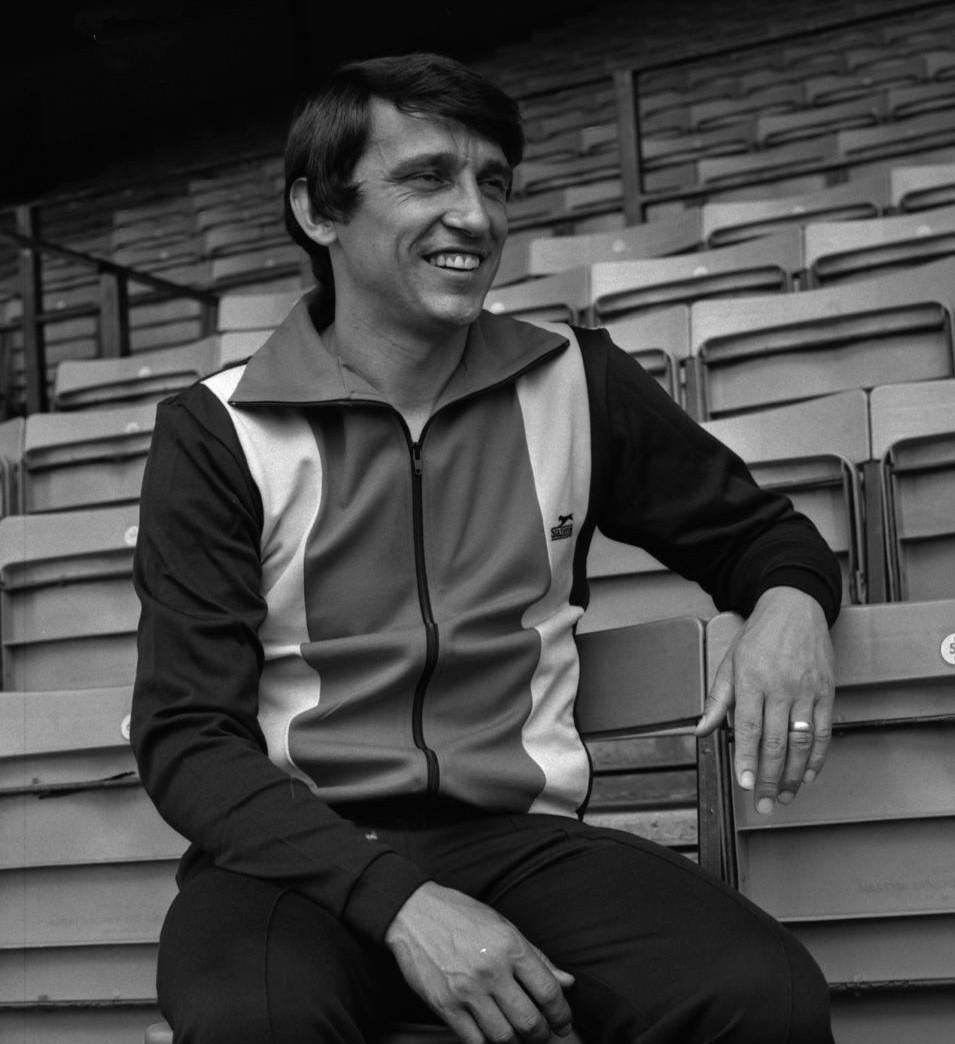
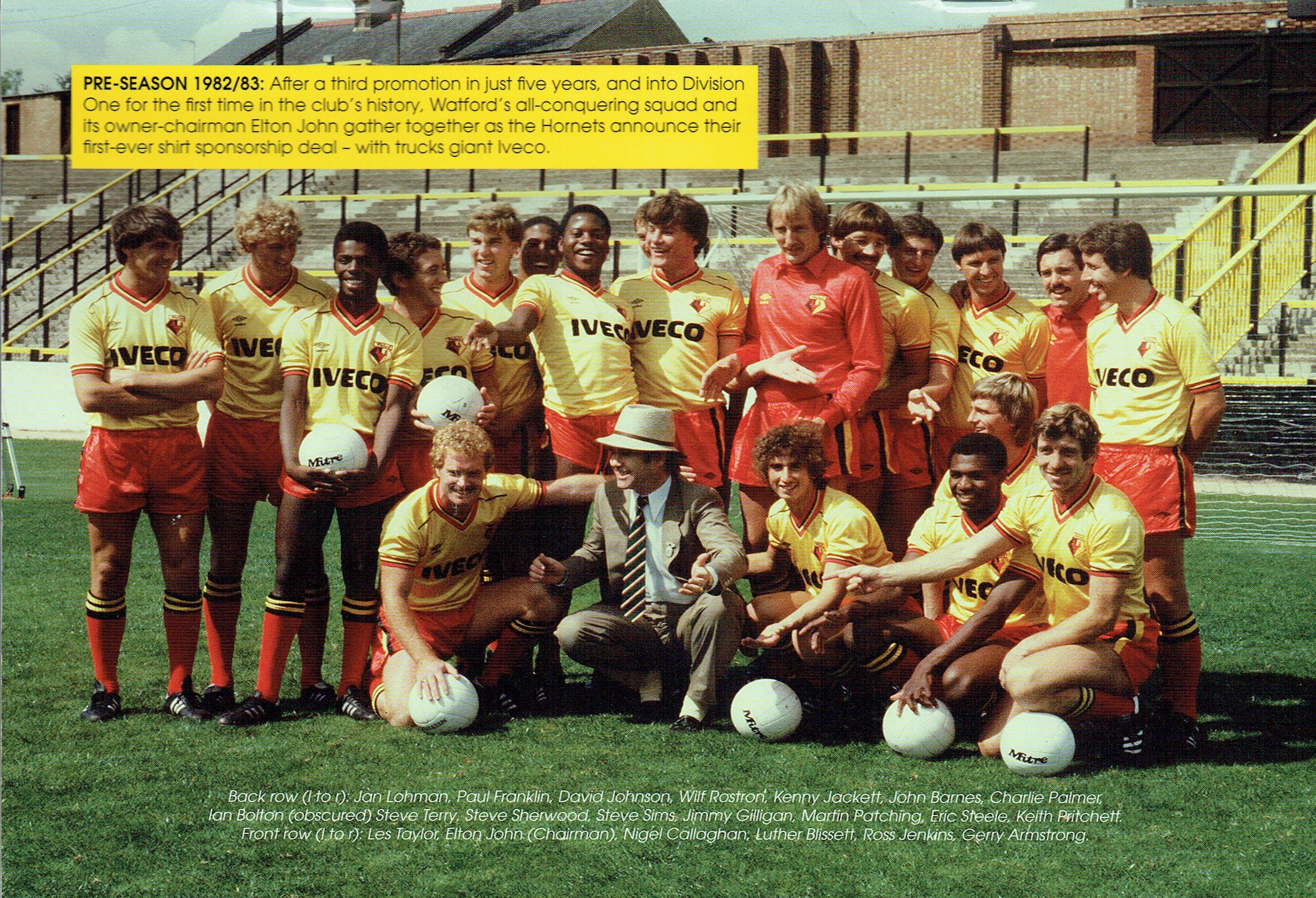
All this lovable anonymity ended in 1977 when Elton John became chairman. The Pinner-born rock musician – who first watched Watford with his father as a six year-old – brought unaccustomed flamboyance and ambition to Vicarage Road. He appointed Lincoln’s promising young manager, Graham Taylor, who oversaw two rapid title wins followed by another promotion.
brightest
Watford’s heatmap glows brightest between 1978 and 1988. Their functional side – whose shirts were far too colourful for that drab era – blighted my youth by using irritatingly simple methods against far more entertaining teams. Method lay behind both style and approach. Taylor believed red shorts with yellow shirts made his team look invincible; as for tactics, “People expected us to play the ball down the middle. When we didn’t they struggled to explain how they lost.”
Germany calling
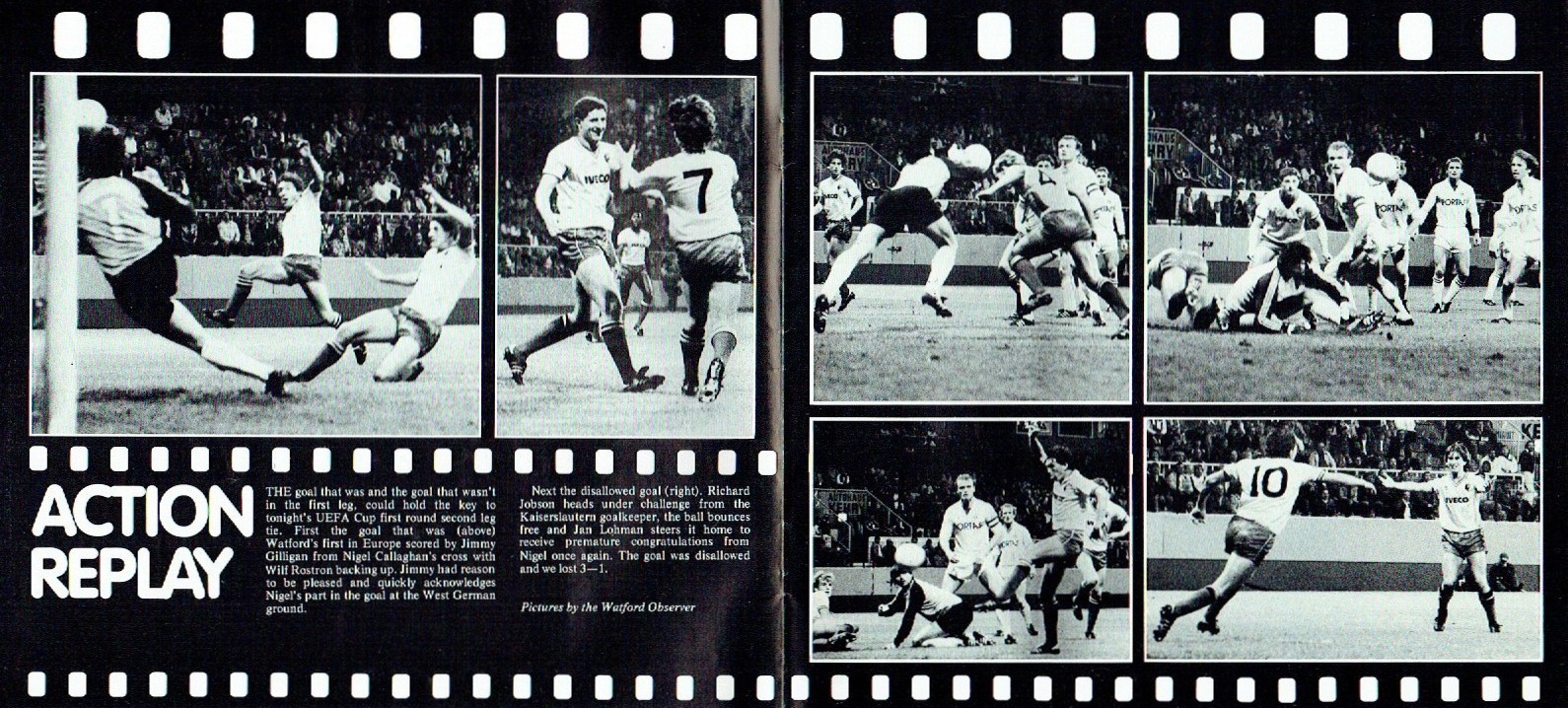
Division Four also-rans become League runners-up and Wembley finalists within five eventful seasons. Their characteristic resilience suited European football; they beat Kaiserslautern and Levski Spartak in the 1984-85 UEFA Cup, only going out to a talented Sparta Prague side. I particularly remember the drawn-out FA Cup sequence against Manchester City during early 1986, where Watford ruthlessly wore City down over two attritional replays on snowy pitches.
mob rule
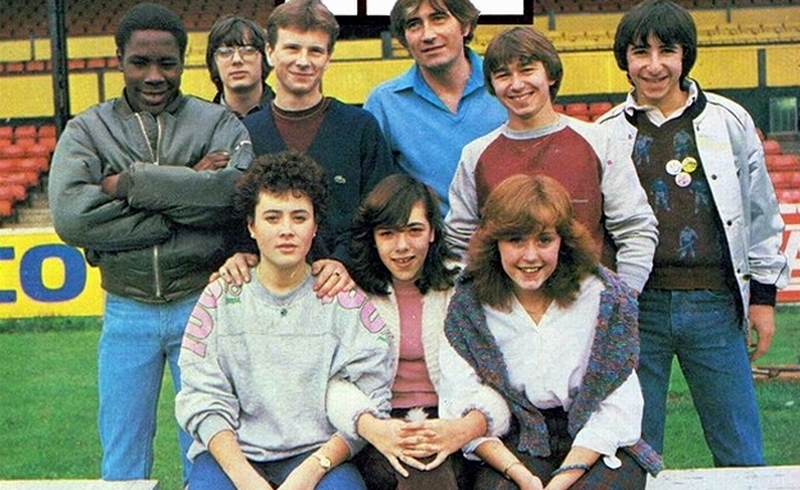
Taylor valued community spirit. He made all his players live within a ten mile radius so they would “feel the local pulse.” The pervasive myth that Vicarage Road was largely free from matchday violence possibly encouraged ITV to film Murphy’s Mob there; Dunmore United’s mischevious yet clean-cut junior supporters felt totemic of the whole Watford experiment, and even Milton Johns seemed less nasty than usual.
the rail thing
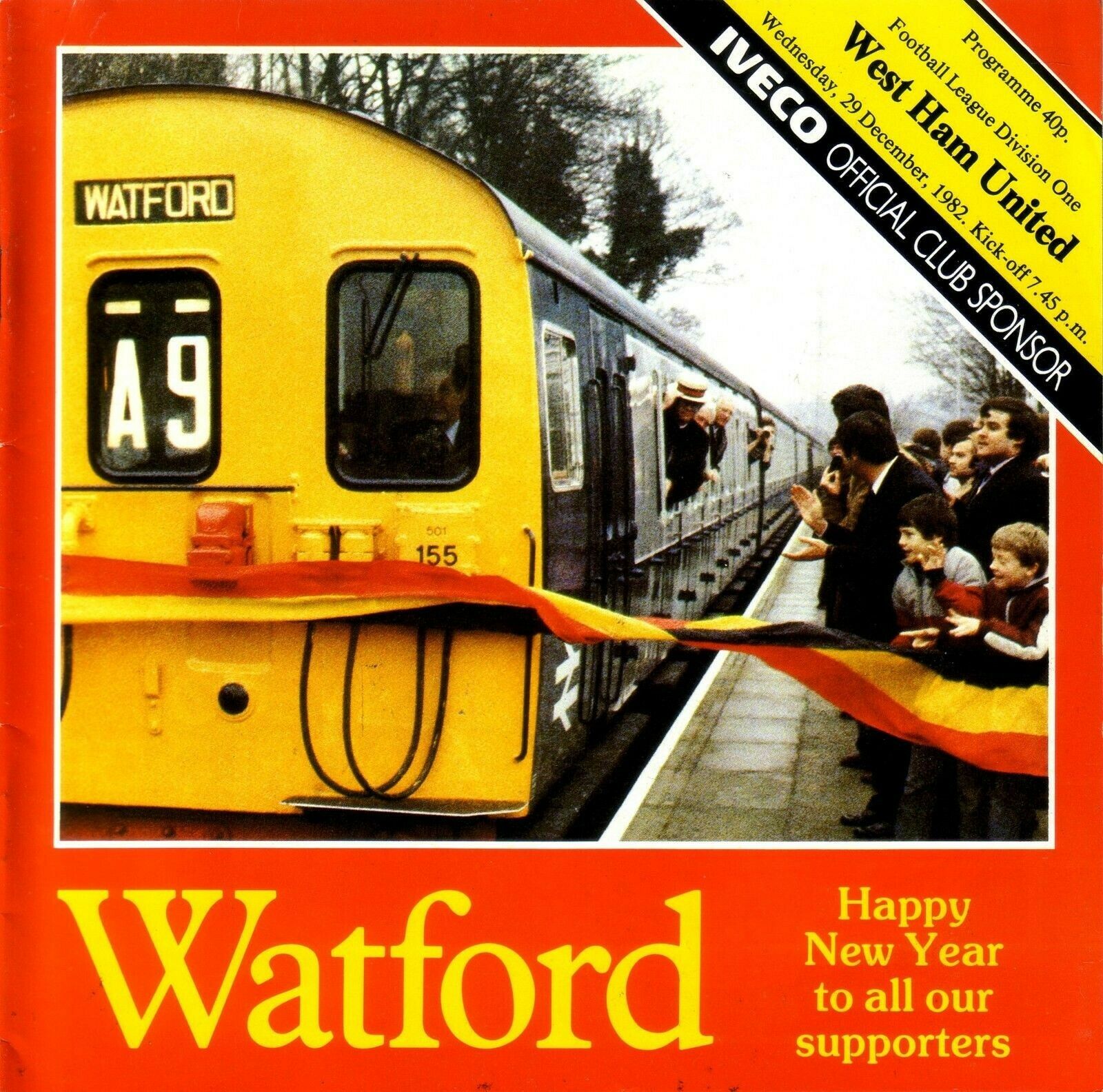
A new railway station helped Watford cope with First Division crowds. Watford Stadium Halt – opened in 1982 for their game against Manchester United – made use of the former Croxley Green branch. Away fans could now travel direct from Watford Junction, trudging harmlessly to the ground via Occupation Road and some neighbouring allotments.
The journey
coaches
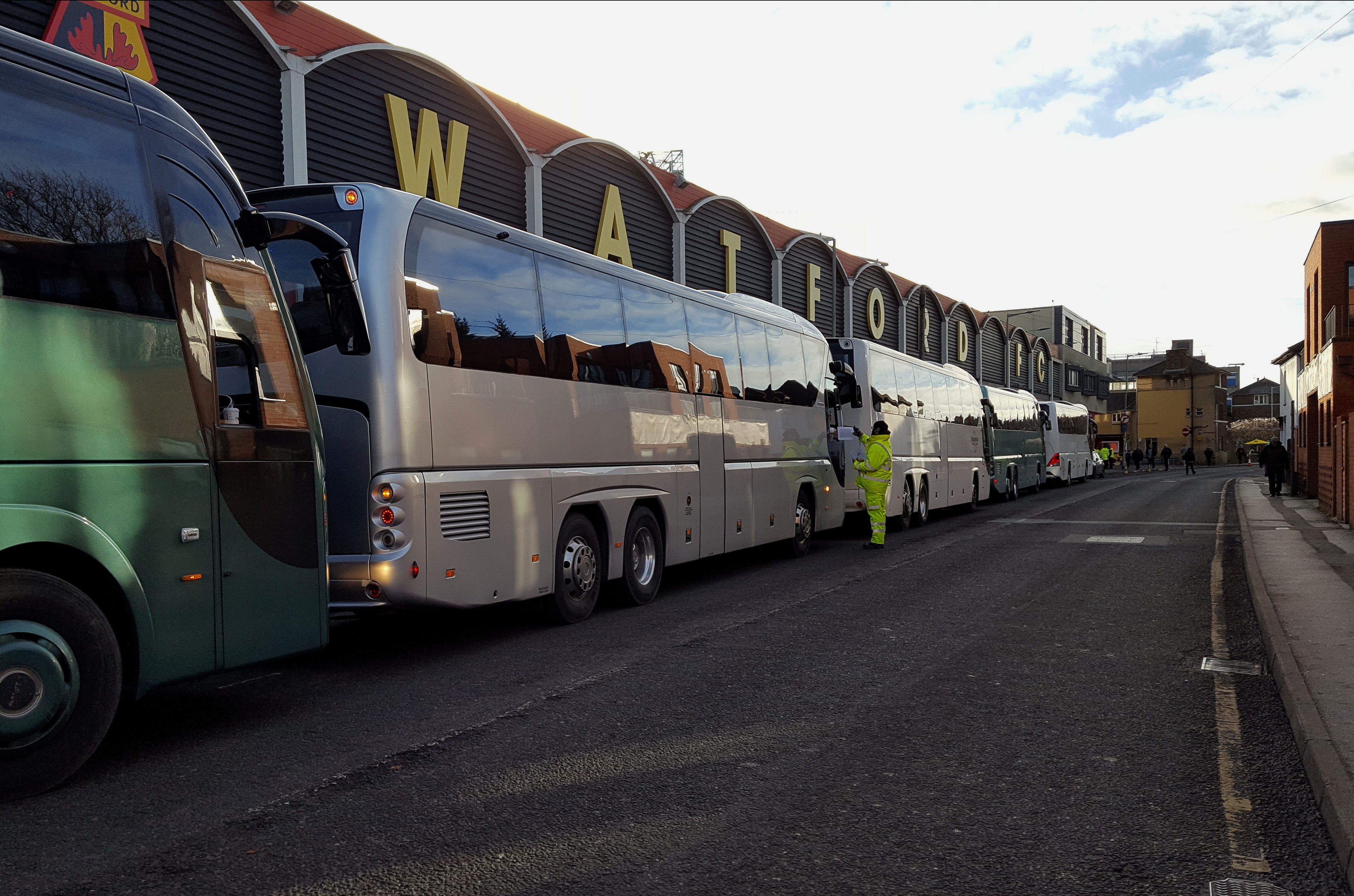
Middle-aged fans still have genuine fondness for Third Round day. We nevertheless took time out from eagerly spotting Merseyside coaches to experiment with the satnav system that came with John’s new car. It helped us avoid some nasty M1 holdups, while treating its screen like a virtual roadmap also kept what remained of our arlarse street cred intact.
sensible
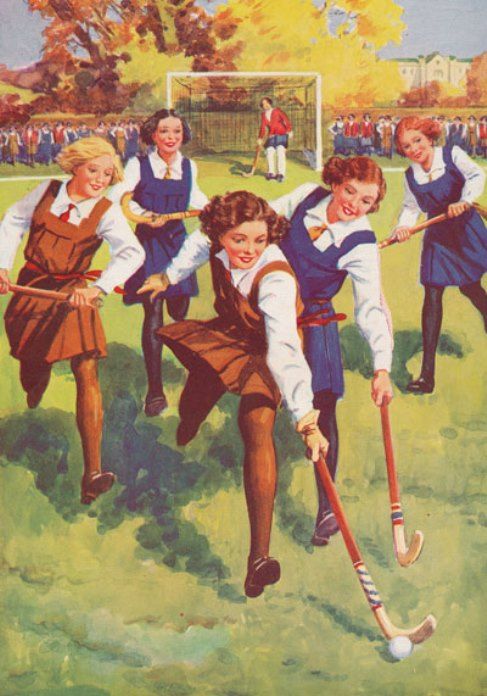
These sensible measures saw us parking up at Watford Girls’ Grammar School just after one. Cut-price tickets – with vague promises of consequent priority for Premiership games – had seemingly created an unusual dynamic among passing home supporters. One family group in yellow and black scarves even stopped us to ask for directions.
The ground
nestles
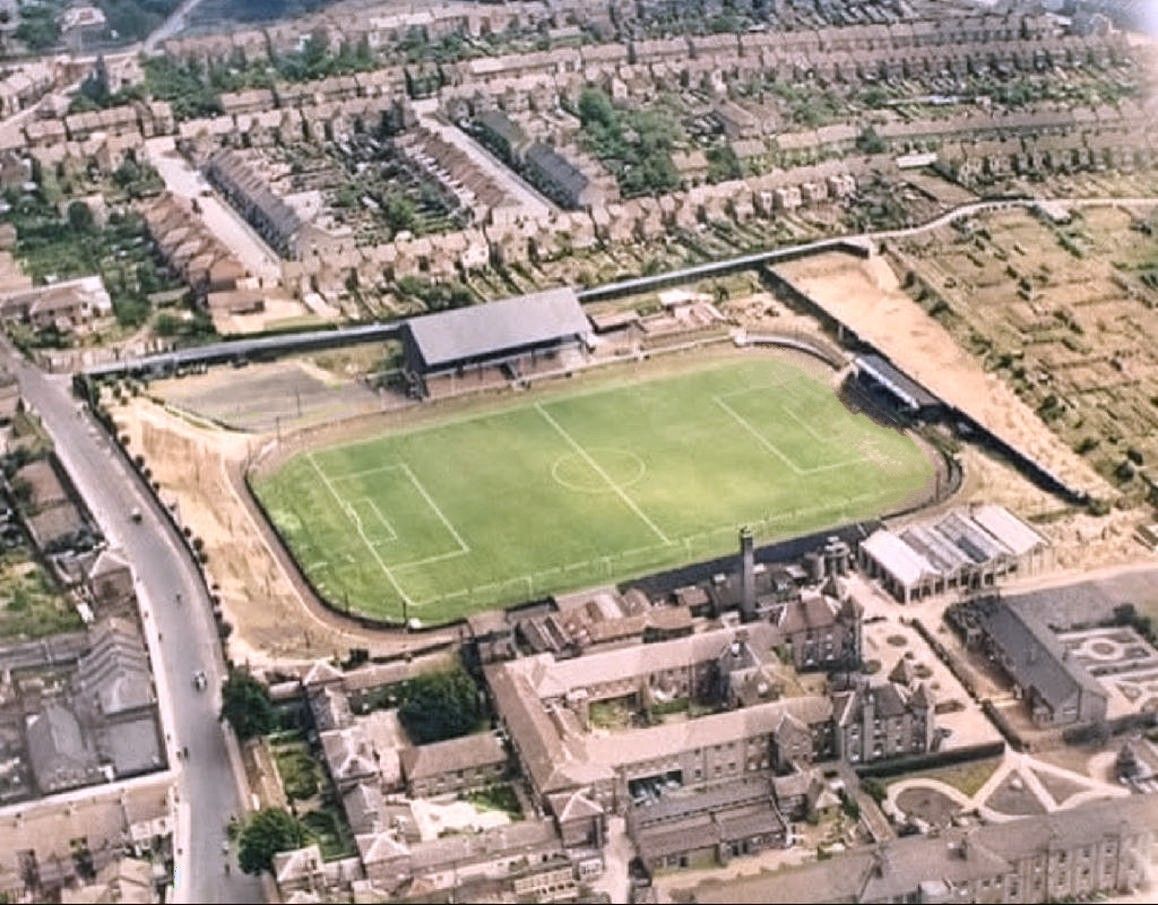
Vicarage Road nestles into natural hillside with practically no presence at street level. One side backs onto hospital buildings – now encroaching across sadly abandoned allotment land – while suburban garages and bad parallel parking still jumble down towards the overgrown halt. Progress has stalled on a long-awaited Metropolitan Line spur which would see this line restored to service.
tidy
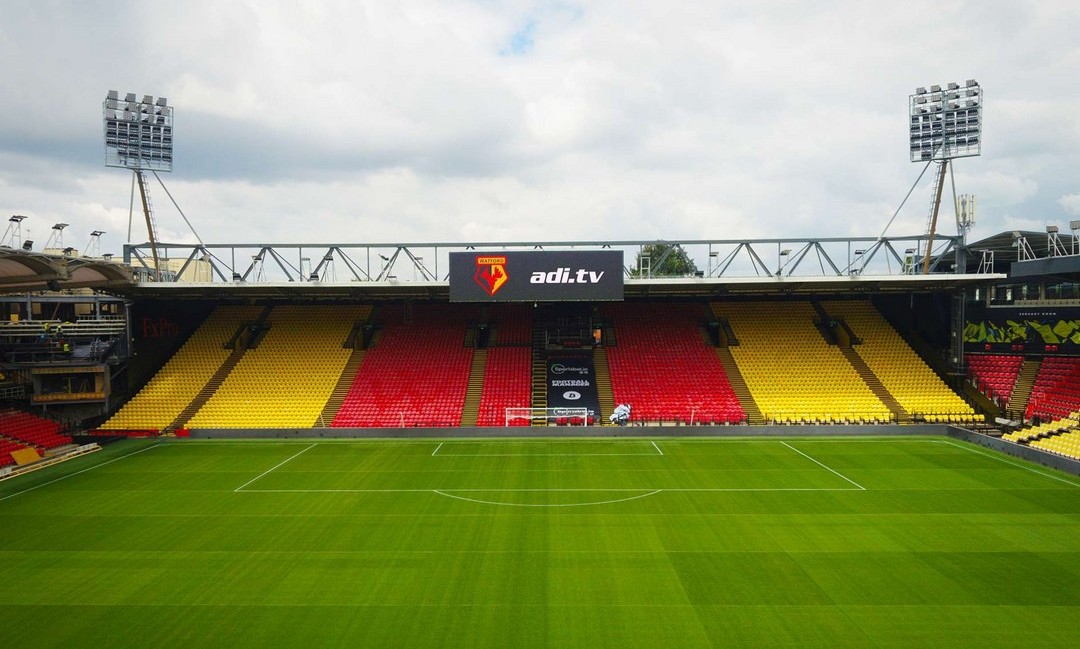
Two tidy ends look similar but vary somewhat in size. Sloping terrain means you enter them at different levels. Redevelopment following Lord Justice Taylor’s recommendations squared off the ground’s elliptical profile; a prefabricated stand now encloses its northern side, while that opposite dates from 1986 and was only fully fitted out some years later.
vaulted (Groundtastic)
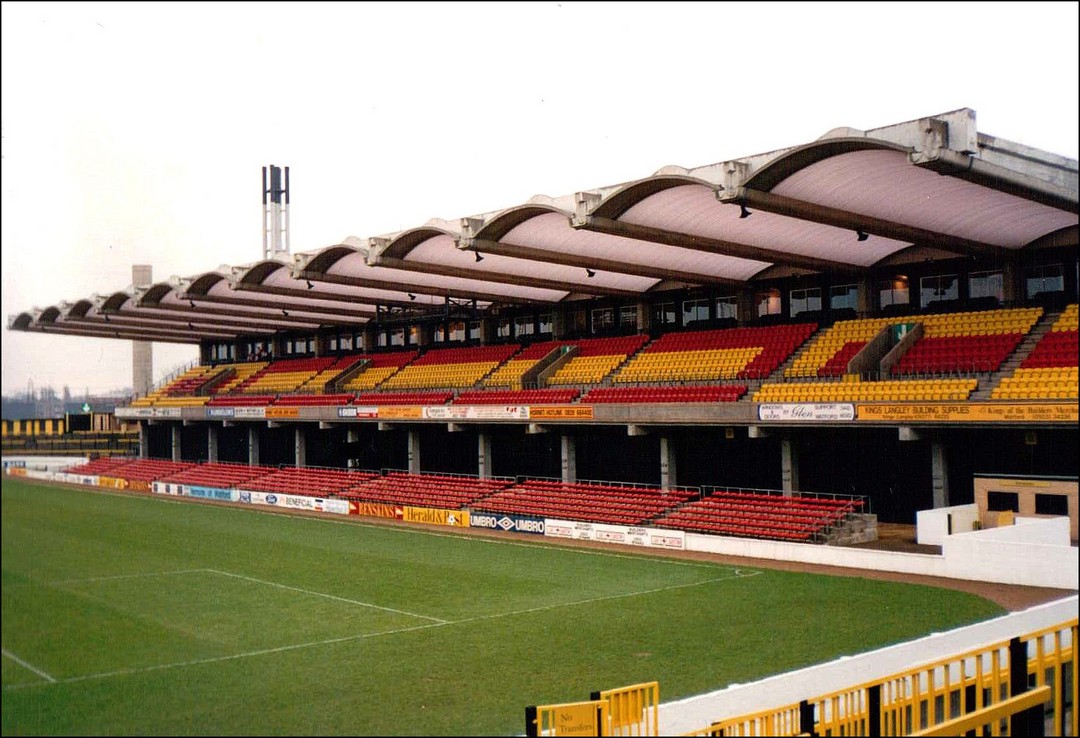
Filling in both adjacent corners has blurred this structure’s elegant design and innovative vaulted roof. It was originally named after former FA Chairman – and one-time Watford Grammar School sports master – Sir Stanley Rous, but modern re-assessment of his questionable politics ended with the less controversial Taylor being commemorated instead.
improvements (Bob Lilliman)
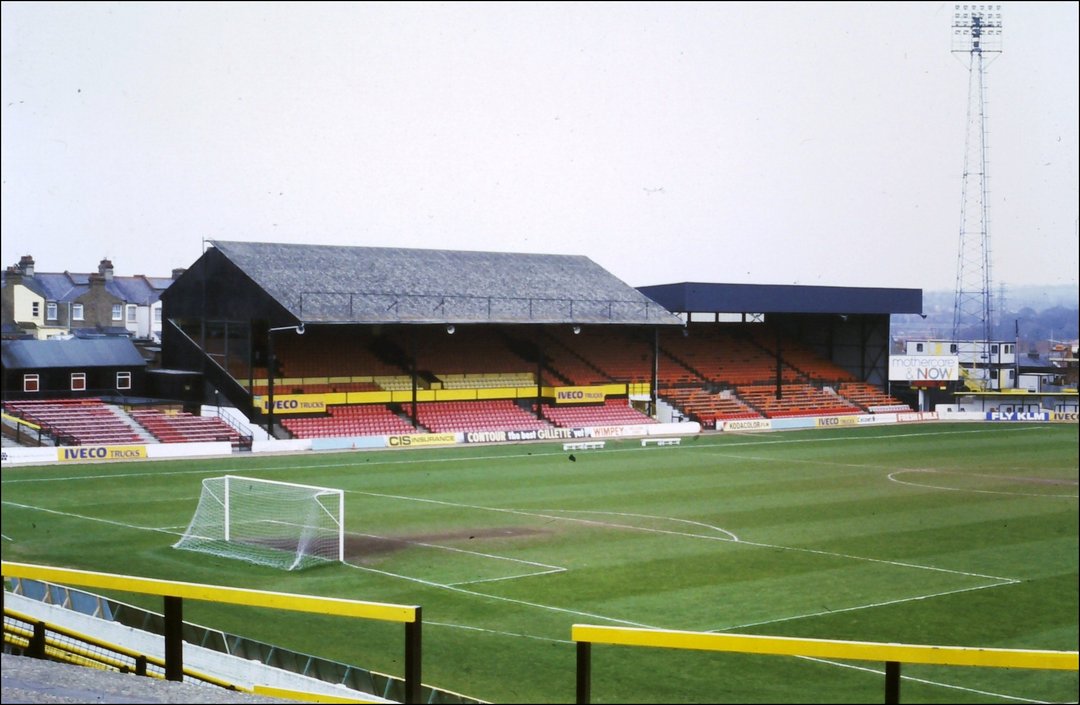
That original main stand eventually gained an incongruous extension on the Rookery side. Three seated paddocks and some open terracing were also added – rather chaotically – as on-field progress outstripped the ground’s facilities. Coaching staff had to perch on open benches, Graham Taylor having famously said that until the Vicarage Road terrace was roofed he too would get wet when it rained.
Flesh and wine
cheerful
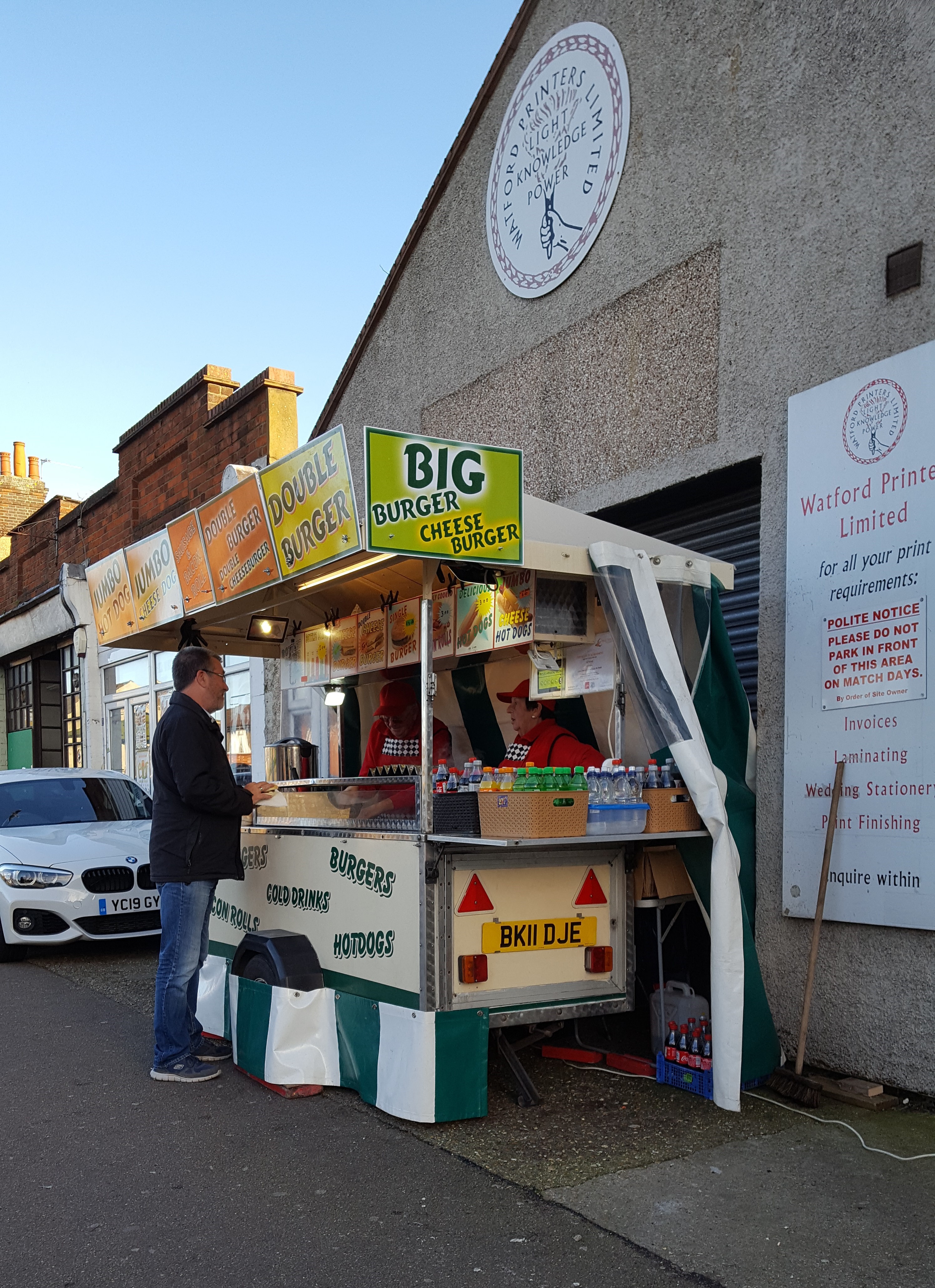
Hundreds of early Tranmere arrivals were milling about as John and I lined our stomachs at the nearest chippy. Cheaply cheerful eating places surround this admirable ground; such careless abundance can sometimes mean difficult choices, but today it simply encouraged us to go back after the match and check out a burger van we spotted earlier.
locals
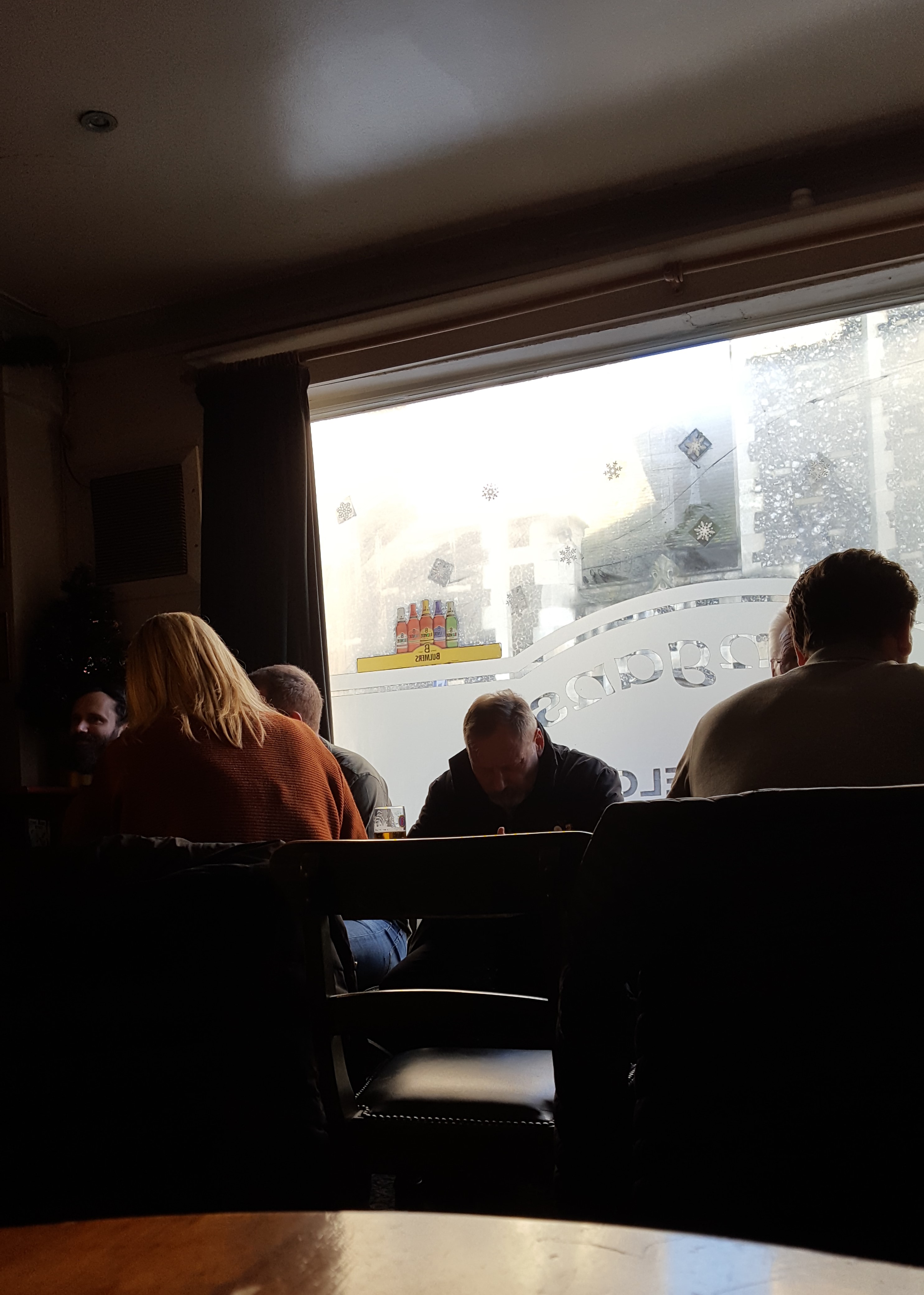
The Red Lion on Vicarage Road was all bouncered up and clearly not going to admit visiting fans. We instead settled for Mangan’s, which proved Irish in name only; various boozy locals cheerfully rubbed shoulders with followers of both clubs, while two pool room seats happily remained free beneath a TV showing the Rochdale v Newcastle match.
The game
foiled again
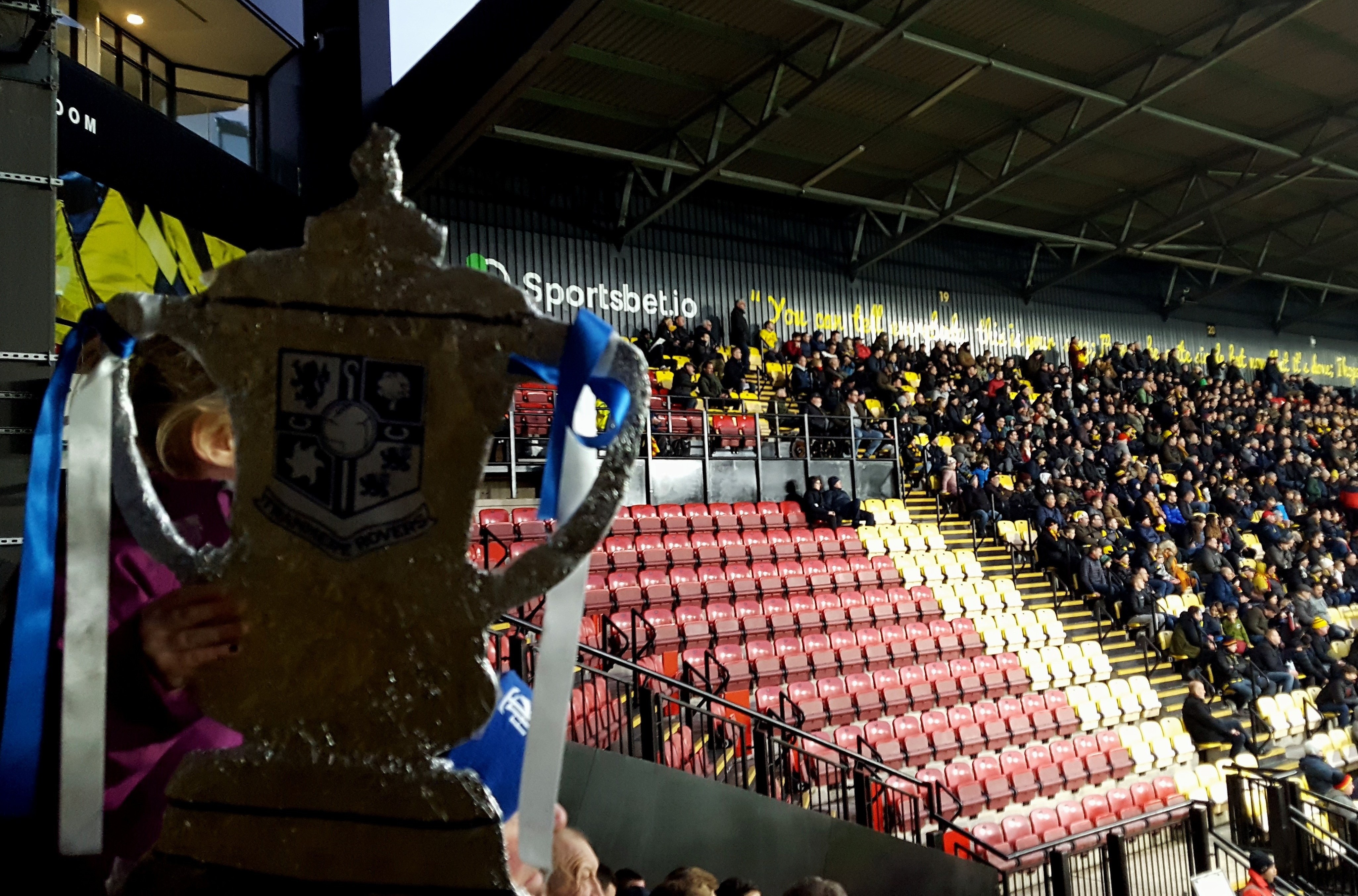
Interest on Merseyside and indifference here meant Tranmere fans had been given the whole Vicarage Road End. We cut it fine as usual, ambling straight into an old-school day out complete with foil FA Cups and no regard for seat allocation. Pre-cast concrete was flexing like the Drome’s dancefloor while three thousand people bounced along to Tequila.
youth policy
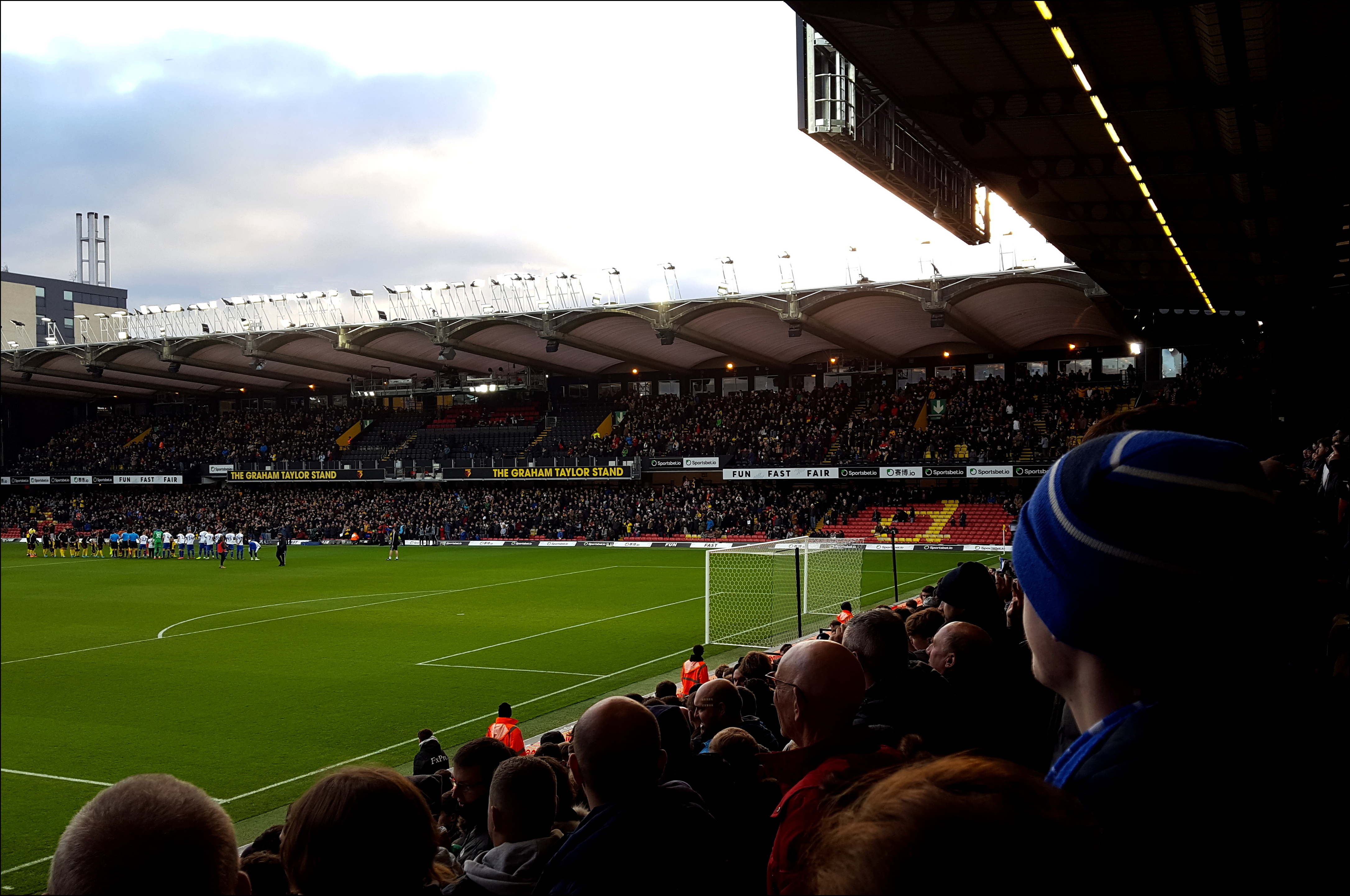
Watford entered into the spirit of things by selecting half their youth side. Most looked as though they’d been let out of school for the afternoon. One debutant, Tom Dele-Bashiru, put them ahead as nervous Tranmere defenders stood off him; Nathaniel Chalobah then punished more hesitancy at the back, with Roberto Pereyra stroking home an equally unchallenged third.
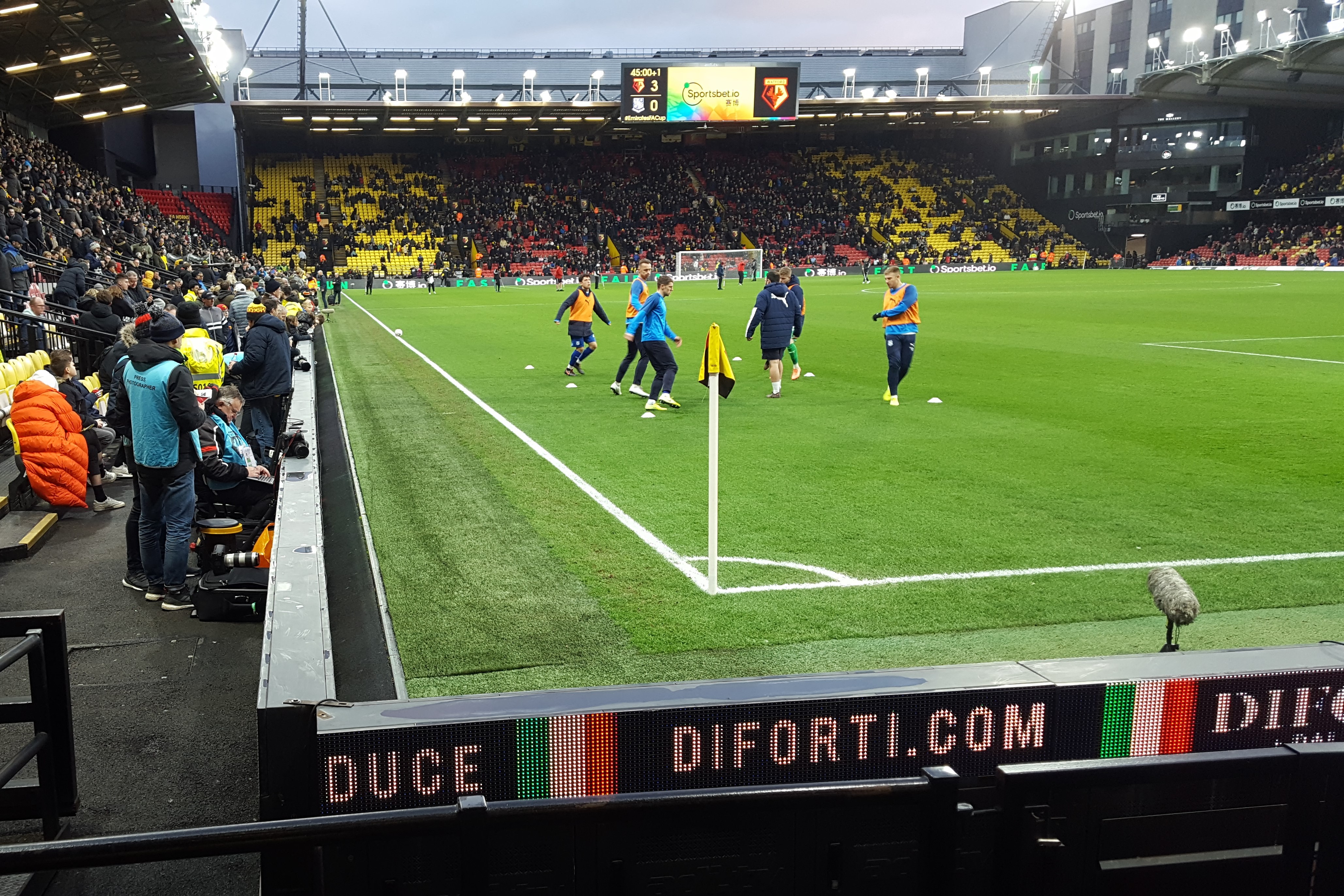
half time
Micky Mellon’s half time words must have been well-chosen. Substitutes Calum Woods and Corey Blackett-Taylor stiffened the team’s spine; VAR proved useful for once, overruling a linesman for Connor Jenning’s perfectly good headed goal, and then – after their thumping second from Manny Monthe – confirming that Mason Barrett had brought down Blackett-Taylor. Ill-judged sitting back by Watford, various juveniles getting cramp and Roberto Pereyra’s harsh late dismissal did the rest.
Teams and goals
Watford: Bachmann, Mariappa, Dawson, Spencer-Adams (Barrett 77), Masina, Quina (Whelan 61), Chalobah (Junqueira de Jesus 45), Dele-Bashiru, Success, Gray, Pereyra. Unused subs: Sarr, Dalby, Hungbo, Parkes.
Tranmere: Chapman, Caprice, Clarke, Monthe, Nelson (Woods 45), Morris, Danns, Jennings, Perkins, Ferrier (Mullin 81), Payne (Blackett-Taylor 45). Unused subs: Woods, Ray, Gilmour, Pilling, Walker-Rice.
Goals: Watford: Dele-Bashiru 12, Chalobah 14, Peyeyra 34. Tranmere: Jennings 65, Monthe 78, Mullin 87 (pen).
Attendance: 14,373.